
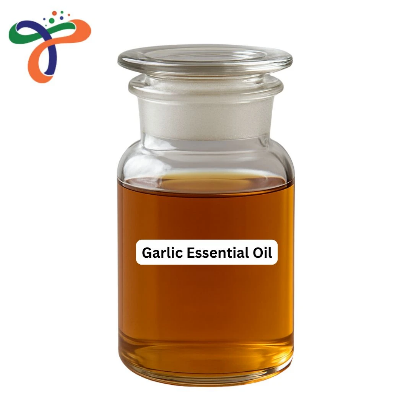
Garlic Distillation
Garlic Distillation
About Garlic Distillation
Garlic Distillation is sourced from Allium sativum Linn.. It is offered standardized for 5% Allicin, CAS 8000-78-0. Traditional and industrial applications include antimicrobial agent, cardiovascular health, antioxidant & neuroprotective, metabolic control.
Applications & Benefits
6Antimicrobial Agent
Allicin shows strong antibacterial action against Escherichia coli, Helicobacter pylori, and Staphylococcus aureus, and works as an antifungal against Candida albicans.
Cardiovascular Health
It is used to help manage hypertension, high cholesterol (hyperlipidemia), and arteriosclerosis, as it helps relax blood vessels and reduce plaque formation.
Antioxidant & Neuroprotective
Allicin lowers oxidative stress and inflammation, showing potential in reducing neurological damage in animal models.
Metabolic Control
Clinical trials suggest allicin can lower fasting blood sugar (FBS) and HbA1c levels in individuals with Type 2 Diabetes.
Cancer Prevention
Studies suggest it may help prevent certain cancers and inhibit cancer cell proliferation, particularly in gastrointestinal cancers.
Anti-viral Potential
It has shown potential in supporting immune response against influenza and common cold viruses.
Specifications
Technical Specification Sheet- Botanical Source
- Allium sativum Linn
- Offering Grade
- 5% Allicin
- CAS Number
- 8000-78-0
- Active Compound
- Allicin (C6H10OS2)
Frequently Asked Questions
What is the botanical source of Garlic Distillation?
Garlic Distillation is sourced from Allium sativum Linn.
What is the CAS number for Garlic Distillation?
Garlic Distillation carries CAS number 8000-78-0.
What grade is Garlic Distillation offered in?
Garlic Distillation is offered standardized for 5% Allicin.
What is Garlic Distillation used for?
Garlic Distillation is commonly used for Antimicrobial Agent.
What are spice oils?
Spice oils are essential oils obtained by steam distillation of spice raw material, supplied for food, flavor, fragrance, and pharmaceutical applications.
How is each spice oil standardized?
Each product page states the botanical source and the active marker compound it is standardized for (for example, a percentage of thymol or cineole), so the oil's specification can be confirmed before enquiring.
Which spice oils have a verified active-compound percentage range?
9 of the 16 spice oils in this category are standardized to a verified active-compound percentage range, including Ajwain Distillation (40-50% Thymol), Cassia Distillation (50-90% Cinnamaldehyde), Clove Buds Distillation (72-90% Eugenol), Coriander Distillation (50-70% Linalool), Cumin Distillation (45-50% Cuminaldehyde), Ginger Distillation (12–13% Gingerol), and Turmeric Distillation (up to 50% Ar-turmerone). Each product's page states its exact range.
Related Products
More from Spice Oils
Interested in Garlic Distillation?
Let us know what you need and our team will follow up with the right details for Garlic Distillation.