
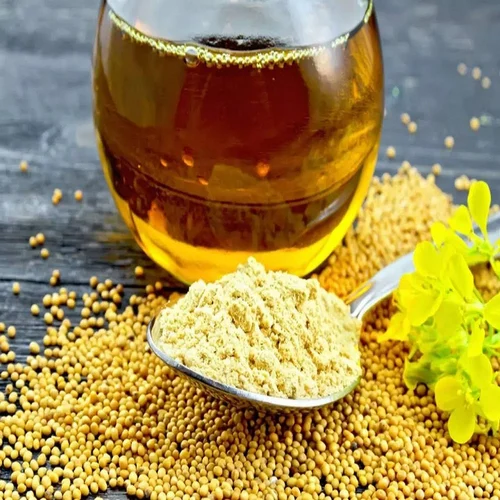
Mustard Extract
Mustard Extract
About Mustard Extract
Mustard Extract is sourced from Brassica juncea. It is offered standardized for 60–90% Allyl Isothiocyanate, CAS 8007-40-7. Traditional and industrial applications include anticancer activity, antimicrobial agent, anti-inflammatory properties, cardiovascular health.
Applications & Benefits
6Anticancer Activity
AITC induces apoptosis (programmed cell death) and inhibits tumor growth in cancers such as breast, prostate, and colon cancers. Research shows it also inhibits cancer cell metastasis.
Antimicrobial Agent
AITC is a potent antimicrobial used in food preservation to inhibit pathogens. It exhibits broad-spectrum activity against various bacteria and fungi.
Anti-inflammatory Properties
It reduces pro-inflammatory cytokines, making it a potential therapeutic agent for chronic inflammatory diseases and arthritis.
Cardiovascular Health
It helps enhance endothelial function and reduce cholesterol levels.
Topical/Medicine Uses
It acts as a rubefacient (increases blood flow to the skin) in mustard plasters and ointments. It is also used in some medical-grade preparations to prevent infections.
Agriculture and Food Industry
It is used as a natural, volatile pesticide and fumigant for crops. In food, it is used to extend the shelf life of food products.
Specifications
Technical Specification Sheet- Botanical Source
- Brassica juncea
- Offering Grade
- 60–90% Allyl Isothiocyanate
- CAS Number
- 8007-40-7
- Active Compound
- AITC (C4H5NS)
Frequently Asked Questions
What is the botanical source of Mustard Extract?
Mustard Extract is sourced from Brassica juncea.
What is the CAS number for Mustard Extract?
Mustard Extract carries CAS number 8007-40-7.
What grade is Mustard Extract offered in?
Mustard Extract is offered standardized for 60–90% Allyl Isothiocyanate.
What is Mustard Extract used for?
Mustard Extract is commonly used for Anticancer Activity.
What are spice oleoresins?
Oleoresins are concentrated extracts of spice raw material, combining both the volatile oil and non-volatile resinous components, used in food flavoring, seasoning, and pharmaceutical applications.
How is each oleoresin standardized?
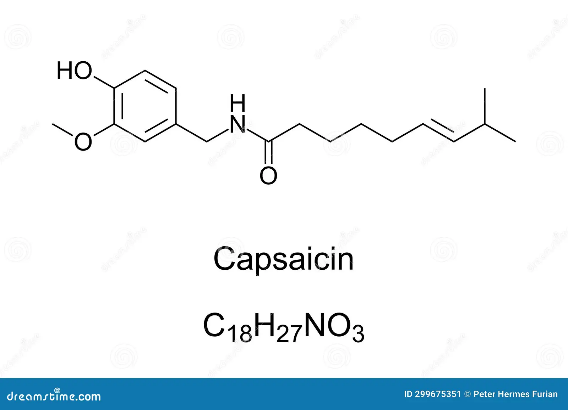
Each product page states the botanical source and the offering grade (such as a percentage of the key active compound, for example capsaicin or thymol), verified by the stated test method.
Which spice oleoresins have a verified active-compound percentage range?
10 of the 23 spice oleoresins in this category are standardized to a verified active-compound percentage range, including Ajwain Extract (35-60% thymol), Clove Buds Extract (72-90% Eugenol), Coriander Extract (50-70% Linalool), Cumin Extract (45-50% Cuminaldehyde), Fennel Extract (50-80% Trans- Anethole), Mustard Extract (60–90% Allyl Isothiocyanate), and Red Chilli Extract (80-90% Capsaicinoid). Each product's page states its exact range.
Related Products
More from Spice Oleoresins
Interested in Mustard Extract?
Let us know what you need and our team will follow up with the right details for Mustard Extract.