
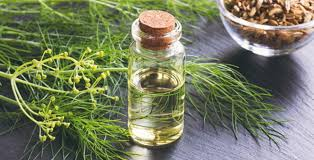
Fennel Distillation
Fennel Distillation
About Fennel Distillation
Fennel Distillation is sourced from Foeniculum vulgare Mill.. It is offered standardized for 50-80% Trans- Anethole, CAS 8006-84-6. Traditional and industrial applications include digestive health, women's health, respiratory care, cardiovascular & metabolism.
Applications & Benefits
10Digestive Health
Fennel is highly effective in treating indigestion, constipation, bloating, and abdominal pain due to its ability to relax the colon.
Women's Health
Often used for relieving menstrual cramps, with studies suggesting effectiveness similar to some pharmaceutical pain relief drugs. It is known as a galactagogue, aiding in increasing breast milk production.
Respiratory Care
It acts as an expectorant to remove phlegm and ease symptoms of bronchitis and chronic cough.
Cardiovascular & Metabolism
Contains potassium and nitrates that help regulate blood pressure and protect heart health. It may help manage weight by curbing appetite and lowering cholesterol.
Infant Care
Traditionally used to manage colic in infants.
Skin & Eye Health
Applied to reduce acne and inflammation. It is historically noted for supporting vision.
Application:
Seed Infusion/Tea
Commonly used for digestive issues and lactation support.
Essential Oil
Used for aromatherapy or diluted topically.
Extracts/Powder
Utilized in capsule form for pain management.
Specifications
Technical Specification Sheet- Botanical Source
- Foeniculum vulgare Mill
- Offering Grade
- 50-80% Trans- Anethole
- CAS Number
- 8006-84-6
- Active Compound
- Anethole (C10H12O)
Frequently Asked Questions
What is the botanical source of Fennel Distillation?
Fennel Distillation is sourced from Foeniculum vulgare Mill.
What is the CAS number for Fennel Distillation?
Fennel Distillation carries CAS number 8006-84-6.
What grade is Fennel Distillation offered in?
Fennel Distillation is offered standardized for 50-80% Trans- Anethole.
What is Fennel Distillation used for?
Fennel Distillation is commonly used for Digestive Health.
What are spice oils?
Spice oils are essential oils obtained by steam distillation of spice raw material, supplied for food, flavor, fragrance, and pharmaceutical applications.
How is each spice oil standardized?
Each product page states the botanical source and the active marker compound it is standardized for (for example, a percentage of thymol or cineole), so the oil's specification can be confirmed before enquiring.
Which spice oils have a verified active-compound percentage range?
9 of the 16 spice oils in this category are standardized to a verified active-compound percentage range, including Ajwain Distillation (40-50% Thymol), Cassia Distillation (50-90% Cinnamaldehyde), Clove Buds Distillation (72-90% Eugenol), Coriander Distillation (50-70% Linalool), Cumin Distillation (45-50% Cuminaldehyde), Ginger Distillation (12–13% Gingerol), and Turmeric Distillation (up to 50% Ar-turmerone). Each product's page states its exact range.
Related Products
More from Spice Oils
Interested in Fennel Distillation?
Let us know what you need and our team will follow up with the right details for Fennel Distillation.