
 Cedrol
Wood & Bark Oils
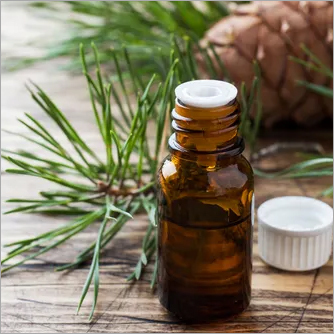
Virginian Cedar Wood Oil
Juniperus virginiana
Virginian Cedar Wood Oil is sourced from Juniperus virginiana.
- Botanical Source
- Juniperus virginiana
- Standardization
- Cedrol
- CAS Number
- 8000-27-9
- Active Compound
- Cedrol (C15H26O)
Request Bulk Quote
Tell us your requirement and our team will get back to you with availability and pricing.
About Virginian Cedar Wood Oil
Virginian Cedar Wood Oil is sourced from Juniperus virginiana. It is offered standardized for Cedrol, CAS 8000-27-9. Traditional and industrial applications include stress and anxiety, sleep aid, skincare, hair health.
Specifications
Technical Specification Sheet- Botanical Source
- Juniperus virginiana
- Offering Grade
- Cedrol
- CAS Number
- 8000-27-9
- Active Compound
- Cedrol (C15H26O)
Applications & Benefits
601
Stress and Anxiety
Inhaling the oil's grounding scent promotes relaxation, lowers heart rate, and eases feelings of stress.
02
Sleep Aid
Its mild sedative properties help soothe the mind, making it an excellent addition to bedtime diffuser blends.
03
Skincare
Its astringent and antimicrobial qualities help balance sebum production, soothe irritation, and manage stubborn acne.
04
Hair Health
It stimulates the scalp, tightens hair follicles, reduces thinning, and balances oil production to encourage growth.
05
Insect Repellent
It naturally repels ants, ticks, moths, and fleas.
06
Anti-Inflammation
Topically applied, it can reduce localized swelling and muscle or joint discomfort.
Related Products
More from Wood & Bark Oils
Frequently Asked Questions
What is the botanical source of Virginian Cedar Wood Oil?
Virginian Cedar Wood Oil is sourced from Juniperus virginiana.
What is the CAS number for Virginian Cedar Wood Oil?
Virginian Cedar Wood Oil carries CAS number 8000-27-9.
What grade is Virginian Cedar Wood Oil offered in?
Virginian Cedar Wood Oil is offered standardized for Cedrol.
What is Virginian Cedar Wood Oil used for?
Virginian Cedar Wood Oil is commonly used for Stress and Anxiety.
What are wood and bark oils?
These are essential oils obtained by steam distillation of wood and bark raw material, used in fragrance, aromatherapy, and pharmaceutical applications.
How is each wood or bark oil specified?
Each product page states the botanical source and the primary active compound (for example, a named sesquiterpene), so the oil's composition can be confirmed against your application.
Which wood and bark oils have a verified active-compound percentage range?
3 of the 19 wood and bark oils in this category are standardized to a verified active-compound percentage range: Ho wood Oil (95-99% Linalool), Indian Sandal Wood Oil (50-70% Santalol), and Rose wood Oil (80-90% Linalool). This category also includes Agarwood Oil, sourced from Aquilaria malaccensis.
Product Enquiry
Interested in Virginian Cedar Wood Oil?
Let us know what you need and our team will follow up with the right details for Virginian Cedar Wood Oil.