
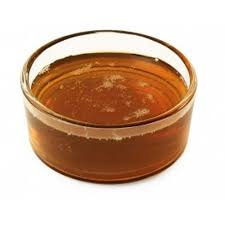
Cade Distillation
Cade Distillation
About Cade Distillation
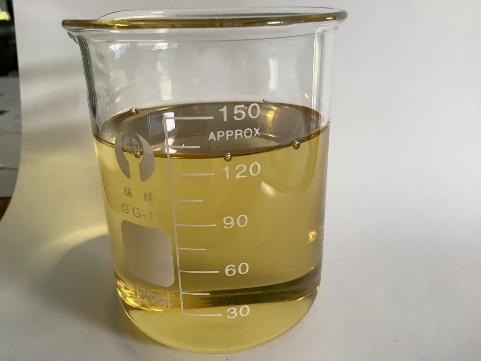
Cade Distillation is sourced from Juniperus oxycedrus L. It is offered standardized for Guaiacol, CAS 8013-10-3. Traditional and industrial applications include skin & scalp treatment, dermatological aid, hair & scalp care, veterinary & pest control.
Applications & Benefits
8Skin & Scalp Treatment
Dermatological Aid
Due to its anti-inflammatory, antiseptic, and antipruritic properties, it is historically applied in creams and soaps to soothe itchy, irritated skin associated with eczema, dermatitis, and psoriasis.
Hair & Scalp Care
It is an active ingredient in anti-dandruff and anti-seborrheic shampoos, helping to cleanse the scalp and reduce seborrheic dermatitis.
Veterinary & Pest Control
Anti-parasitic
Used in animal care and livestock management to deter mites, lice, and ticks, and to treat skin conditions such as mange.
Aromatherapy & Fragrance
Aromatherapy
When diffused in very small, well-ventilated amounts, it provides a deeply grounding, calming effect.
Perfumery
Used in perfumery and candle-making to introduce deep, complex smoky, leathery, and woody notes.
Specifications
Technical Specification Sheet- Botanical Source
- Juniperus oxycedrus L
- Offering Grade
- Guaiacol
- CAS Number
- 8013-10-3
- Active Compound
- Guaiacol (C7H8O2)
Frequently Asked Questions
What is the botanical source of Cade Distillation?
Cade Distillation is sourced from Juniperus oxycedrus L.
What is the CAS number for Cade Distillation?
Cade Distillation carries CAS number 8013-10-3.
What grade is Cade Distillation offered in?
Cade Distillation is offered standardized for Guaiacol.
What is Cade Distillation used for?
Cade Distillation is commonly used for Skin & Scalp Treatment.
What are wood and bark oils?
These are essential oils obtained by steam distillation of wood and bark raw material, used in fragrance, aromatherapy, and pharmaceutical applications.
How is each wood or bark oil specified?
Each product page states the botanical source and the primary active compound (for example, a named sesquiterpene), so the oil's composition can be confirmed against your application.
Which wood and bark oils have a verified active-compound percentage range?
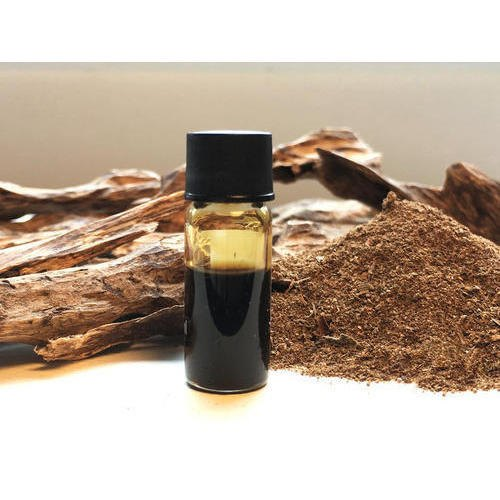
3 of the 19 wood and bark oils in this category are standardized to a verified active-compound percentage range: Ho wood Distillation (95-99% Linalool), Indian Sandal Wood Distillation (50-70% Santalol), and Rose wood Distillation (80-90% Linalool). This category also includes Agarwood Distillation, sourced from Aquilaria malaccensis.
Related Products
More from Wood & Bark Oils
Interested in Cade Distillation?
Let us know what you need and our team will follow up with the right details for Cade Distillation.