
 Thujone
Needle & Twig Oils
Thuja Oil
Thuja occidentalis
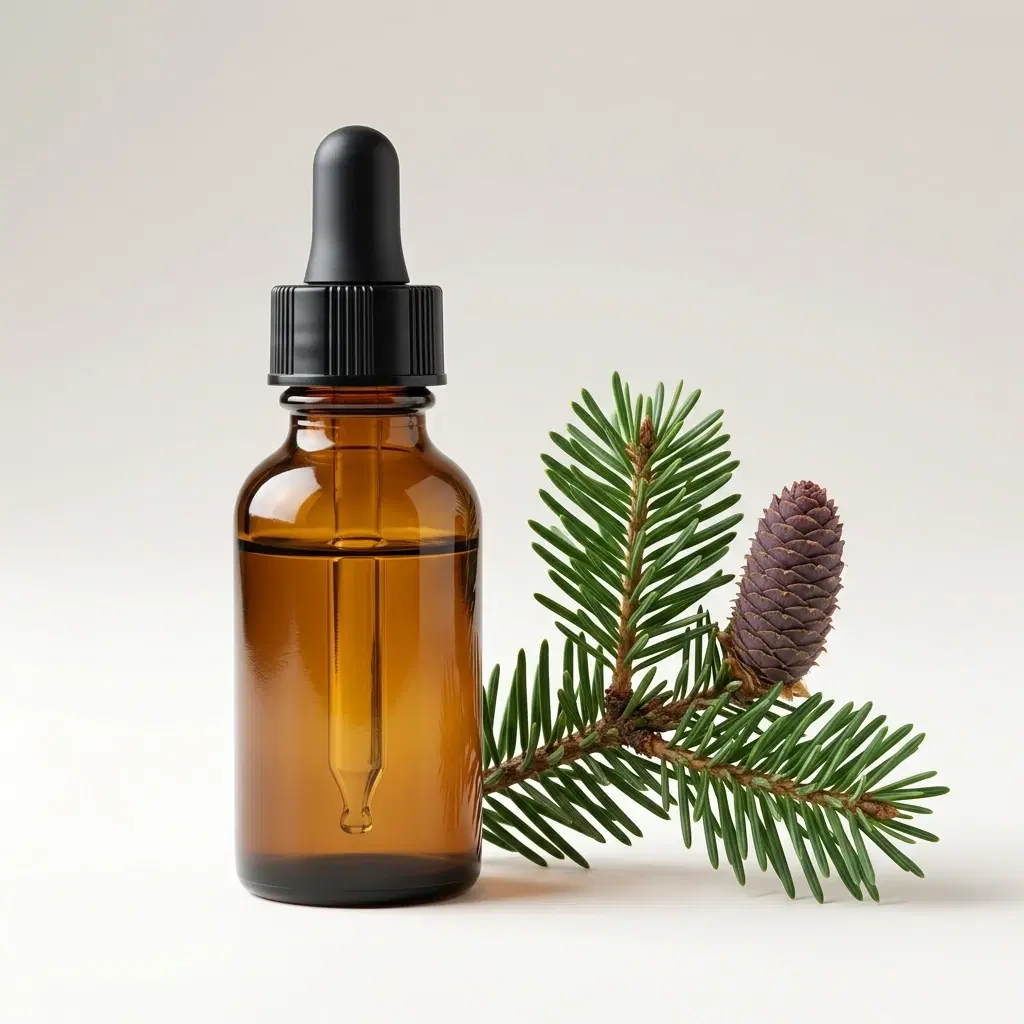
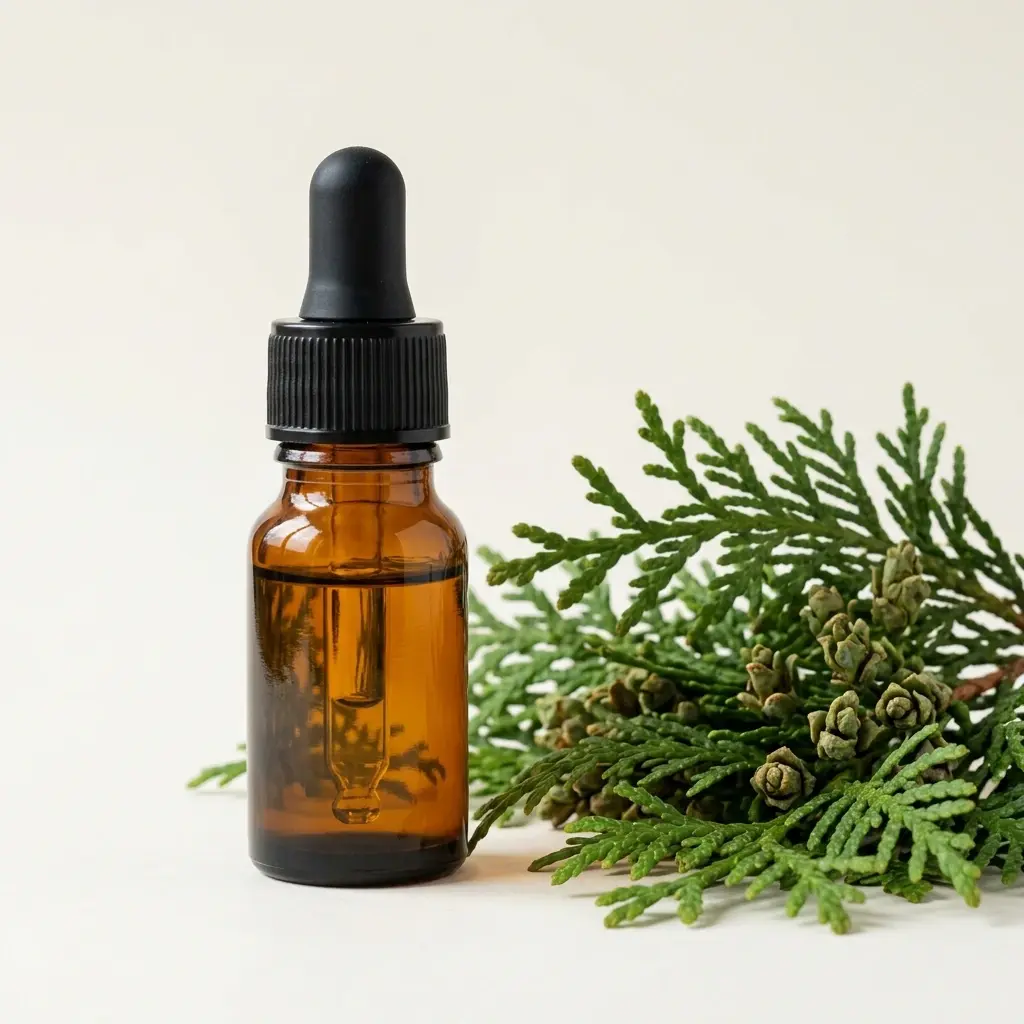
Thuja Oil is sourced from Thuja occidentalis.
- Botanical Source
- Thuja occidentalis
- Standardization
- Thujone
- CAS Number
- 8007-20-3
- Active Compound
- Thujone (C10H16O)
Request Bulk Quote
Tell us your requirement and our team will get back to you with availability and pricing.
About Thuja Oil
Thuja Oil is sourced from Thuja occidentalis. It is offered standardized for Thujone, CAS 8007-20-3. Traditional and industrial applications include perfumery, household and industrial fragrance, topical traditional use, insect deterrent.
Specifications
Technical Specification Sheet- Botanical Source
- Thuja occidentalis
- Offering Grade
- Thujone
- CAS Number
- 8007-20-3
- Active Compound
- Thujone (C10H16O)
Applications & Benefits
401
Perfumery
A distinctive woody-camphoraceous note used in fragrance and soap formulations.
02
Household and Industrial Fragrance
Used in cleaning and industrial fragrance applications for its strong evergreen scent.
03
Topical Traditional Use
Historically used in topical traditional preparations; due to its thujone content, use is restricted to trained formulators following applicable regulatory limits.
04
Insect Deterrent
Its strong aroma is traditionally used as a natural insect and pest deterrent.
Related Products
More from Needle & Twig Oils
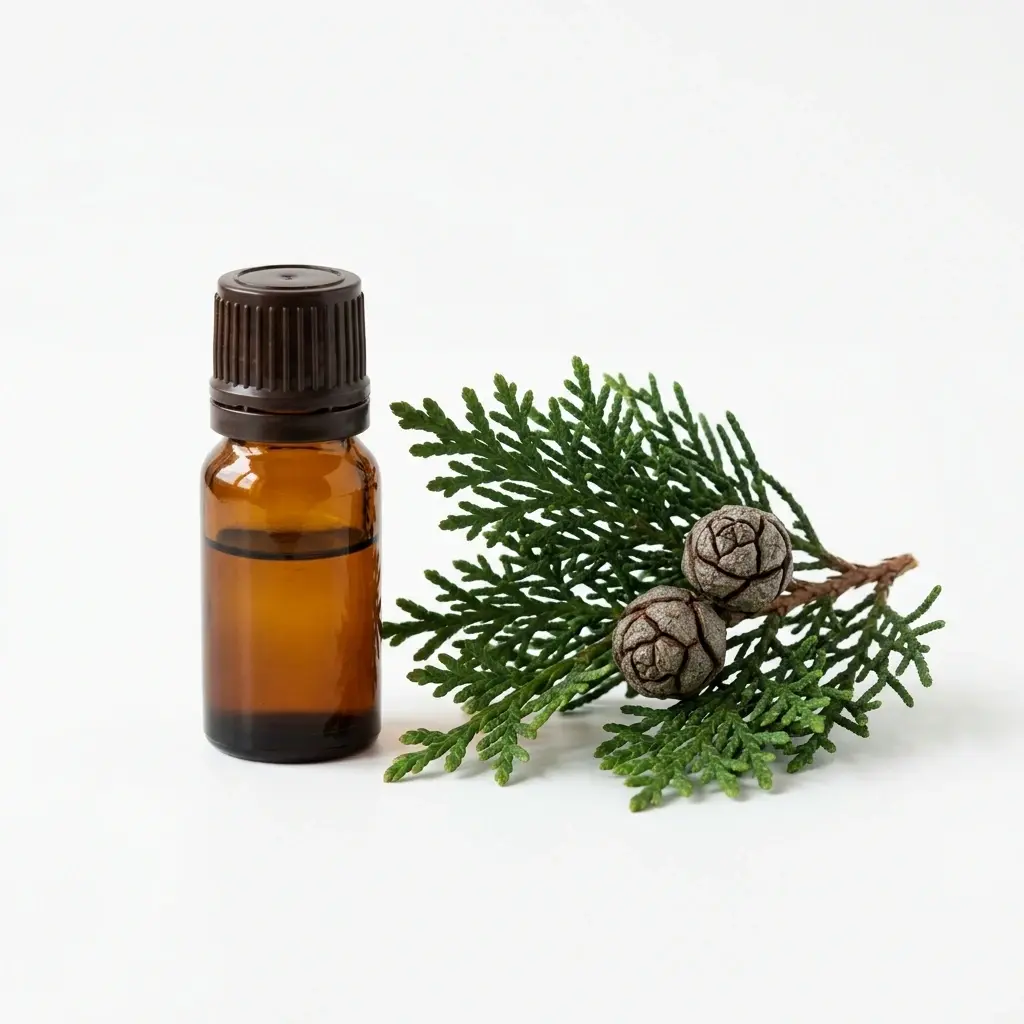
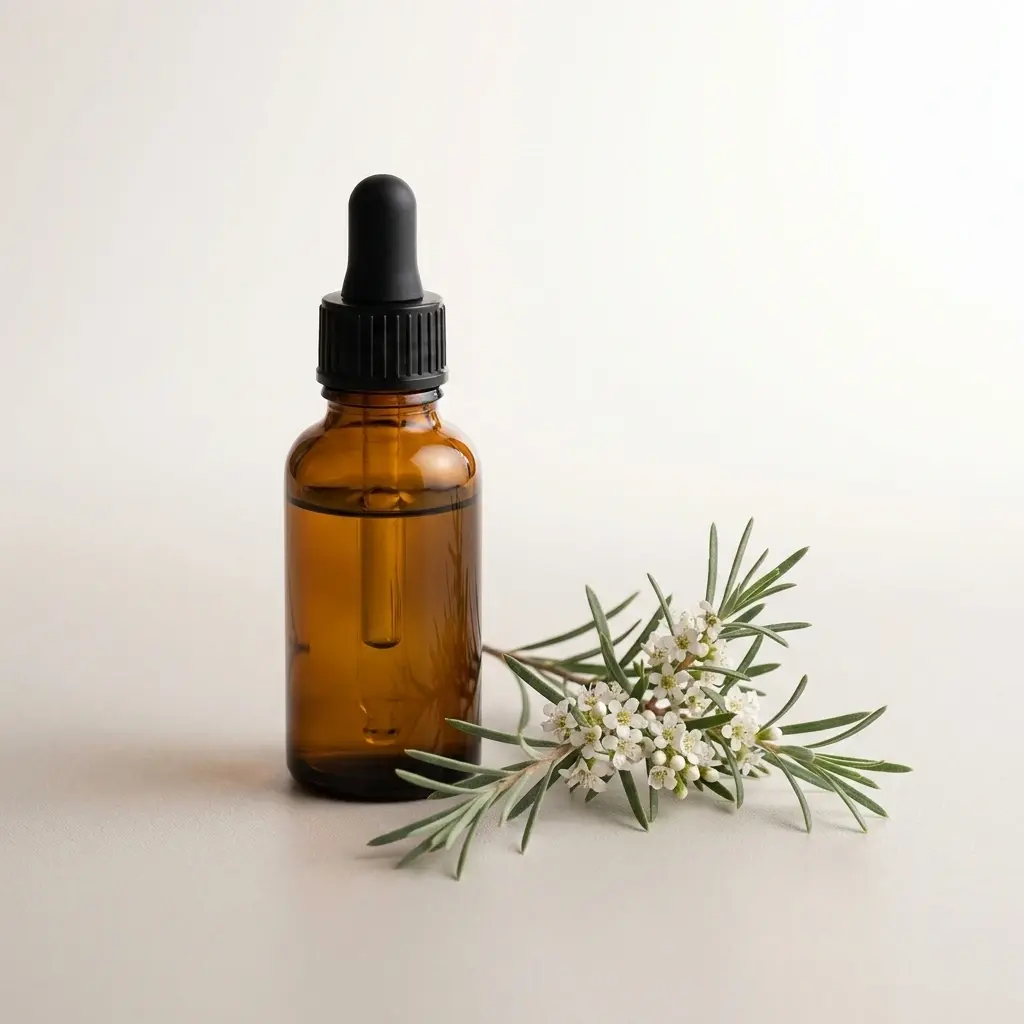
Frequently Asked Questions
What is the botanical source of Thuja Oil?
Thuja Oil is sourced from Thuja occidentalis.
What is the CAS number for Thuja Oil?
Thuja Oil carries CAS number 8007-20-3.
What grade is Thuja Oil offered in?
Thuja Oil is offered standardized for Thujone.
What is Thuja Oil used for?
Thuja Oil is commonly used for Perfumery.
What are needle and twig oils?
These are essential oils obtained by steam distillation of needles and twigs, typically from conifer species, used in aromatherapy, respiratory-care, and fragrance applications.
How is each needle or twig oil specified?
Each product page lists the botanical source and the primary active compound the oil is standardized for, for example a percentage of bornyl acetate.
Which needle and twig oils have a verified active-compound percentage range?
4 of the 14 needle and twig oils in this category are standardized to a verified active-compound percentage range, including three standardized for Bornyl Acetate content: Black Spruce Oil (18-25%), Hemlock Oil (15-28% L-Bornyl Acetate), and Siberian Fir Oil (30-40%). Fragonia Oil is standardized for 20-26% 1,8-Cineole.
Product Enquiry
Interested in Thuja Oil?
Let us know what you need and our team will follow up with the right details for Thuja Oil.