
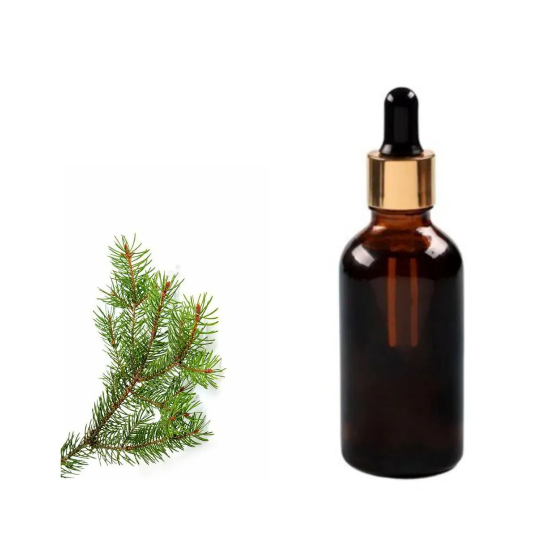
Blue Spruce Distillation
Blue Spruce Distillation
About Blue Spruce Distillation
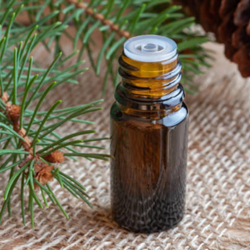
Blue Spruce Distillation is sourced from Picea pungens. It is offered standardized for Limonene, CAS 8008-80-8. Traditional and industrial applications include emotional & mental well-being, respiratory support, physical pain relief, skincare & cleansing.
Applications & Benefits
10Emotional & Mental Well-being
Promotes grounding, relaxation, and emotional balance. It is used in meditation, yoga, and aromatherapy to reduce stress, anxiety, and tackle emotional blocks.
Respiratory Support
Its fresh, woody scent helps open airways and ease congestion during colds or seasonal allergies.
Physical Pain Relief
Due to its analgesic and anti-inflammatory properties, it is commonly used to soothe tired, sore muscles and joint discomfort (e.g., arthritis).
Skincare & Cleansing
Contains antibacterial compounds that can be used in diluted topical applications to treat skin irritations and promote a clear complexion.
Muscular-Skeletal Care
It is often used to support healthy hormone levels and is believed to have potential benefits for addressing symptoms of Seasonal Affective Disorder (SAD).
Application
-
Topical (Diluted)
Aromatherapy
Inhalation
Massage
Specifications
Technical Specification Sheet- Botanical Source
- Picea pungens
- Offering Grade
- Limonene
- CAS Number
- 8008-80-8
- Active Compound
- Limonene (C10H16)
Frequently Asked Questions
What is the botanical source of Blue Spruce Distillation?
Blue Spruce Distillation is sourced from Picea pungens.
What is the CAS number for Blue Spruce Distillation?
Blue Spruce Distillation carries CAS number 8008-80-8.
What grade is Blue Spruce Distillation offered in?
Blue Spruce Distillation is offered standardized for Limonene.
What is Blue Spruce Distillation used for?
Blue Spruce Distillation is commonly used for Emotional & Mental Well-being.
What are needle and twig oils?
These are essential oils obtained by steam distillation of needles and twigs, typically from conifer species, used in aromatherapy, respiratory-care, and fragrance applications.
How is each needle or twig oil specified?
Each product page lists the botanical source and the primary active compound the oil is standardized for, for example a percentage of bornyl acetate.
Which needle and twig oils have a verified active-compound percentage range?
4 of the 14 needle and twig oils in this category are standardized to a verified active-compound percentage range, including three standardized for Bornyl Acetate content: Black Spruce Distillation (18-25%), Hemlock Distillation (15-28% L-Bornyl Acetate), and Siberian Fir Distillation (30-40%). Fragonia Distillation is standardized for 20-26% 1,8-Cineole.
Related Products
More from Needle & Twig Oils
Interested in Blue Spruce Distillation?
Let us know what you need and our team will follow up with the right details for Blue Spruce Distillation.