
Taiwan Distillation
Taiwan Distillation
About Taiwan Distillation
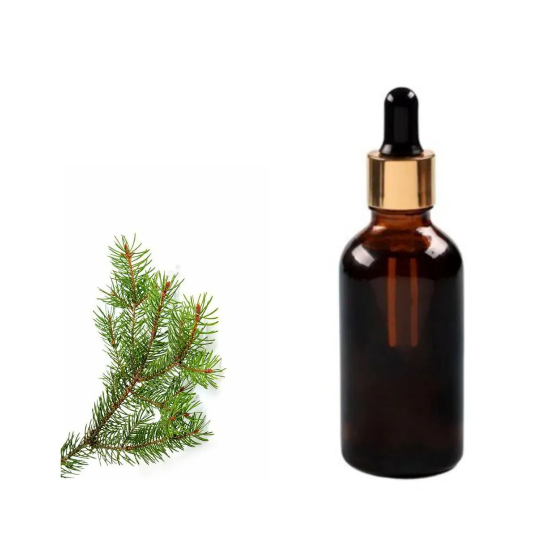
Taiwan Distillation is sourced from Abies alba. It is offered standardized for Menthol, CAS 8008-51-3. Traditional and industrial applications include stress relief & emotional wellness, respiratory support, skincare & dermatology, antimicrobial & antifungal.
Applications & Benefits
5Stress Relief & Emotional Wellness
Inhaling the vapours stimulates the olfactory system, interacting with the brain's limbic system to reduce anxiety, alleviate mental fatigue, and encourage restful sleep. The grounding scent of Hinoki is excellent for meditation.
Respiratory Support
Diffusing these oils acts as a natural decongestant. The antibacterial properties help clear sinus and chest congestion, promoting easier breathing.
Skincare & Dermatology
Hinoki and cypress oils possess soothing and anti-inflammatory properties. When properly diluted in a carrier oil (like jojoba or coconut oil), they are often used to treat minor skin irritations, acne, and eczema.
Antimicrobial & Antifungal
Scientific studies support the use of these distilled oils for their ability to combat airborne bacteria and fungi.
Natural Insect Repellent
Many of Taiwan's endemic wood and citrus oils contain natural compounds that deter mosquitoes and insects.
Specifications
Technical Specification Sheet- Botanical Source
- Abies alba
- Offering Grade
- Menthol
- CAS Number
- 8008-51-3
Frequently Asked Questions
What is the botanical source of Taiwan Distillation?
Taiwan Distillation is sourced from Abies alba.
What is the CAS number for Taiwan Distillation?
Taiwan Distillation carries CAS number 8008-51-3.
What grade is Taiwan Distillation offered in?
Taiwan Distillation is offered standardized for Menthol.
What is Taiwan Distillation used for?
Taiwan Distillation is commonly used for Stress Relief & Emotional Wellness.
What are needle and twig oils?
These are essential oils obtained by steam distillation of needles and twigs, typically from conifer species, used in aromatherapy, respiratory-care, and fragrance applications.
How is each needle or twig oil specified?
Each product page lists the botanical source and the primary active compound the oil is standardized for, for example a percentage of bornyl acetate.
Which needle and twig oils have a verified active-compound percentage range?
4 of the 14 needle and twig oils in this category are standardized to a verified active-compound percentage range, including three standardized for Bornyl Acetate content: Black Spruce Distillation (18-25%), Hemlock Distillation (15-28% L-Bornyl Acetate), and Siberian Fir Distillation (30-40%). Fragonia Distillation is standardized for 20-26% 1,8-Cineole.
Related Products
More from Needle & Twig Oils
Interested in Taiwan Distillation?
Let us know what you need and our team will follow up with the right details for Taiwan Distillation.