
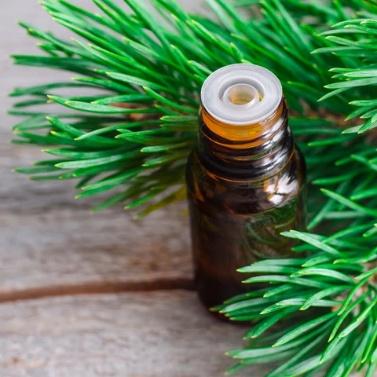
Siberian Fir Distillation
Siberian Fir Distillation
About Siberian Fir Distillation
Siberian Fir Distillation is sourced from Abies sibirica. It is offered standardized for 30-40% Bornyl Acetate, CAS 8021-29-2. Traditional and industrial applications include respiratory support, application, muscle & joint pain, application.
Applications & Benefits
8Respiratory Support
Helps ease congestion, sinusitis, and coughs.
Application
Add 2-3 drops to steaming hot water for a steam tent, or place 2 drops on a washcloth in the corner of a hot shower.
Muscle & Joint Pain
Its anti-inflammatory and analgesic properties help soothe sore muscles, arthritis, and rheumatism.
Application
Dilute to a 1–3% concentration (about 5–15 drops of essential oil per 30 ml of carrier oil like jojoba or sweet almond) and massage into the affected area.
Stress & Anxiety Relief
The crisp, woody scent promotes relaxation and mental clarity.
Application
Add 6–8 drops to an ultrasonic diffuser to create a calming environment in your home or office space.
Antimicrobial & Odor-Fighting
Fights odor-causing bacteria and airborne germs.
Application
Combine with water in a glass spray bottle for a natural, refreshing room and fabric spray.
Specifications
Technical Specification Sheet- Botanical Source
- Abies sibirica
- Offering Grade
- 30-40% Bornyl Acetate
- CAS Number
- 8021-29-2
- Active Compound
- Bornyl Acetate (C12H20O2)
Frequently Asked Questions
What is the botanical source of Siberian Fir Distillation?
Siberian Fir Distillation is sourced from Abies sibirica.
What is the CAS number for Siberian Fir Distillation?
Siberian Fir Distillation carries CAS number 8021-29-2.
What grade is Siberian Fir Distillation offered in?
Siberian Fir Distillation is offered standardized for 30-40% Bornyl Acetate.
What is Siberian Fir Distillation used for?
Siberian Fir Distillation is commonly used for Respiratory Support.
What are needle and twig oils?
These are essential oils obtained by steam distillation of needles and twigs, typically from conifer species, used in aromatherapy, respiratory-care, and fragrance applications.
How is each needle or twig oil specified?
Each product page lists the botanical source and the primary active compound the oil is standardized for, for example a percentage of bornyl acetate.
Which needle and twig oils have a verified active-compound percentage range?
4 of the 14 needle and twig oils in this category are standardized to a verified active-compound percentage range, including three standardized for Bornyl Acetate content: Black Spruce Distillation (18-25%), Hemlock Distillation (15-28% L-Bornyl Acetate), and Siberian Fir Distillation (30-40%). Fragonia Distillation is standardized for 20-26% 1,8-Cineole.
Related Products
More from Needle & Twig Oils
Interested in Siberian Fir Distillation?
Let us know what you need and our team will follow up with the right details for Siberian Fir Distillation.