
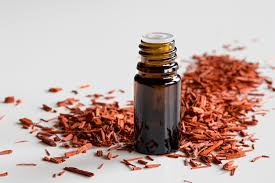
Rose wood Distillation
Rose wood Distillation
About Rose wood Distillation
Rose wood Distillation is sourced from Dalbergia latifolia. It is offered standardized for 80-90% Linalool, CAS 8015-77-8. Traditional and industrial applications include skincare & anti-aging, aromatherapy & mental health, pain management, immunity & respiratory support.
Applications & Benefits
5Skincare & Anti-Aging
Thanks to its tissue-regenerating properties, it is widely used in facial oils, serums, and creams to diminish scars, stretch marks, fine lines, and sun damage. It's non-comedogenic and soothes conditions like eczema and dermatitis.
Aromatherapy & Mental Health
Diffusing the oil or inhaling it via pulse points acts as a gentle, natural antidepressant. It reduces mental fatigue, panic attacks, and anxiety by promoting emotional balance and relaxation.
Pain Management
Applied topically during massages (always diluted in a carrier oil), it functions as a mild analgesic and antispasmodic, relieving minor joint pain, muscle spasms, and headaches.
Immunity & Respiratory Support
Due to its antimicrobial and antiseptic properties, it is sometimes inhaled via steam to help clear nasal congestion, sinusitis, and mild bronchial disorders.
Cosmetics & Deodorants
Its pleasant floral-woody fragrance makes it a popular fixative and scent note in natural perfumes and deodorants.
Specifications
Technical Specification Sheet- Botanical Source
- Dalbergia latifolia
- Offering Grade
- 80-90% Linalool
- CAS Number
- 8015-77-8
- Active Compound
- Linalool (C10H18O)
Frequently Asked Questions
What is the botanical source of Rose wood Distillation?
Rose wood Distillation is sourced from Dalbergia latifolia.
What is the CAS number for Rose wood Distillation?
Rose wood Distillation carries CAS number 8015-77-8.
What grade is Rose wood Distillation offered in?
Rose wood Distillation is offered standardized for 80-90% Linalool.
What is Rose wood Distillation used for?
Rose wood Distillation is commonly used for Skincare & Anti-Aging.
What are wood and bark oils?
These are essential oils obtained by steam distillation of wood and bark raw material, used in fragrance, aromatherapy, and pharmaceutical applications.
How is each wood or bark oil specified?
Each product page states the botanical source and the primary active compound (for example, a named sesquiterpene), so the oil's composition can be confirmed against your application.
Which wood and bark oils have a verified active-compound percentage range?
3 of the 19 wood and bark oils in this category are standardized to a verified active-compound percentage range: Ho wood Distillation (95-99% Linalool), Indian Sandal Wood Distillation (50-70% Santalol), and Rose wood Distillation (80-90% Linalool). This category also includes Agarwood Distillation, sourced from Aquilaria malaccensis.
Related Products
More from Wood & Bark Oils
Interested in Rose wood Distillation?
Let us know what you need and our team will follow up with the right details for Rose wood Distillation.