
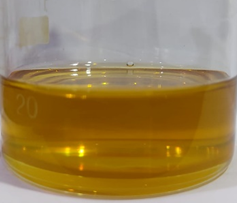
Rhododendron Ledum Leaves Distillation
Rhododendron Ledum Leaves Distillation
About Rhododendron Ledum Leaves Distillation
Rhododendron Ledum Leaves Distillation is sourced from Rhododendron tomentosum. It is offered standardized for Ledol, CAS 90063-39-1. Traditional and industrial applications include pain and inflammation management, skin care & healing, respiratory relief, insect repellent.
Applications & Benefits
5Pain and Inflammation Management
Diluted and applied topically (or used in homeopathic preparations), it is traditionally used to alleviate joint inflammation, rheumatism, and arthritis symptoms.
Skin Care & Healing
The oil possesses broad-spectrum antimicrobial properties, making it useful in formulations targeting eczema, minor wounds, and fungal issues (such as Aspergillus Niger).
Respiratory Relief
Ethnomedically, it has been diffused or rubbed onto the chest to ease symptoms of colds, coughs, and bronchitis.
Insect Repellent
The volatile compounds naturally repel ticks, bugs, and clothes moths.
Antioxidant Support
Studies on the distillation residues show promise for their value-added integration into botanical cosmetics and skincare to prevent cellular damage.
Specifications
Technical Specification Sheet- Botanical Source
- Rhododendron tomentosum
- Offering Grade
- Ledol
- CAS Number
- 90063-39-1
- Active Compound
- Ledol (C15H26O)
Frequently Asked Questions
What is the botanical source of Rhododendron Ledum Leaves Distillation?
Rhododendron Ledum Leaves Distillation is sourced from Rhododendron tomentosum.
What is the CAS number for Rhododendron Ledum Leaves Distillation?
Rhododendron Ledum Leaves Distillation carries CAS number 90063-39-1.
What grade is Rhododendron Ledum Leaves Distillation offered in?
Rhododendron Ledum Leaves Distillation is offered standardized for Ledol.
What is Rhododendron Ledum Leaves Distillation used for?
Rhododendron Ledum Leaves Distillation is commonly used for Pain and Inflammation Management.
What are leaf oils?
Leaf oils are essential oils obtained by steam distillation of leaves, supplied for pharmaceutical, cosmetic, food, and fragrance applications.
How is each leaf oil standardized?
Each product page states the botanical source and the active compound it is standardized for (for example, a percentage range of linalool or cineole), so the specification can be confirmed against your requirement.
Which leaf oils have a verified active-compound percentage range?
22 of the 62 leaf oils in this category are standardized to a verified active-compound percentage range, including Clove Leaves Distillation (70-90% Eugenol), Eucalyptus Globolus Leaves Distillation (60-90% Eucalyptol), Lemon Grass Leaves Distillation (40-75% Citral), Spearmint Leaves Distillation (50-80% Carvone), Rosemary Leaves Distillation (15-53% 1,8-Cineole), Thyme Leaves Distillation (20-55% Thymol), and Basil Leaves Distillation (60% to 75% linalool). Each product's page states its exact range.
What quality systems apply to these leaf oils?
Sureka Life Sciences is ISO 9001:2015 certified for Quality Management and ISO 22000:2018 certified for Food Safety Management, and operates two dedicated R&D laboratories for standardization and analytical testing.
Related Products
More from Leaf Oils
Interested in Rhododendron Ledum Leaves Distillation?
Let us know what you need and our team will follow up with the right details for Rhododendron Ledum Leaves Distillation.