
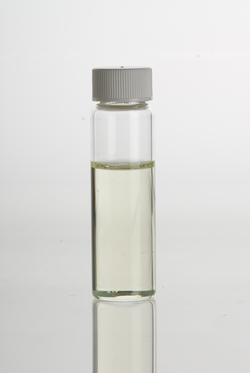
Peppermint Leaves Distillation
Peppermint Leaves Distillation
About Peppermint Leaves Distillation
Peppermint Leaves Distillation is sourced from Mentha piperita. It is offered standardized for Menthol, CAS 8006-90-4. Traditional and industrial applications include digestive health, pain management, respiratory relief, skin & scalp care.
Applications & Benefits
5Digestive Health
It is highly effective in relaxing the smooth muscles of the gastrointestinal tract. Enteric-coated capsules are frequently used to relieve symptoms of Irritable Bowel Syndrome (IBS), such as abdominal pain, bloating, and gas.
Pain Management
Its natural analgesic properties make it an excellent topical remedy. When diluted, it can be massaged onto the temples for tension headaches or applied to sore muscles and joints.
Respiratory Relief
Diffusing the oil or using it in steam inhalation acts as a natural decongestant, helping to open airways and clear sinuses during colds or allergies.
Skin & Scalp Care
Thanks to its cooling and antifungal properties, it is used to soothe itchy skin, insect bites, and minor burns. When added to shampoo, it can stimulate the scalp and reduce dandruff.
Aromatherapy
The crisp, minty aroma is used to boost energy levels, enhance mental focus, and alleviate feelings of nausea.
Specifications
Technical Specification Sheet- Botanical Source
- Mentha piperita
- Offering Grade
- Menthol
- CAS Number
- 8006-90-4
- Active Compound
- Menthol (C10H20O)
Frequently Asked Questions
What is the botanical source of Peppermint Leaves Distillation?
Peppermint Leaves Distillation is sourced from Mentha piperita.
What is the CAS number for Peppermint Leaves Distillation?
Peppermint Leaves Distillation carries CAS number 8006-90-4.
What grade is Peppermint Leaves Distillation offered in?
Peppermint Leaves Distillation is offered standardized for Menthol.
What is Peppermint Leaves Distillation used for?
Peppermint Leaves Distillation is commonly used for Digestive Health.
What are leaf oils?
Leaf oils are essential oils obtained by steam distillation of leaves, supplied for pharmaceutical, cosmetic, food, and fragrance applications.
How is each leaf oil standardized?
Each product page states the botanical source and the active compound it is standardized for (for example, a percentage range of linalool or cineole), so the specification can be confirmed against your requirement.
Which leaf oils have a verified active-compound percentage range?
22 of the 62 leaf oils in this category are standardized to a verified active-compound percentage range, including Clove Leaves Distillation (70-90% Eugenol), Eucalyptus Globolus Leaves Distillation (60-90% Eucalyptol), Lemon Grass Leaves Distillation (40-75% Citral), Spearmint Leaves Distillation (50-80% Carvone), Rosemary Leaves Distillation (15-53% 1,8-Cineole), Thyme Leaves Distillation (20-55% Thymol), and Basil Leaves Distillation (60% to 75% linalool). Each product's page states its exact range.
What quality systems apply to these leaf oils?
Sureka Life Sciences is ISO 9001:2015 certified for Quality Management and ISO 22000:2018 certified for Food Safety Management, and operates two dedicated R&D laboratories for standardization and analytical testing.
Related Products
More from Leaf Oils
Interested in Peppermint Leaves Distillation?
Let us know what you need and our team will follow up with the right details for Peppermint Leaves Distillation.