
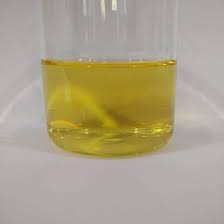
Palo Santo Distillation
Palo Santo Distillation
About Palo Santo Distillation
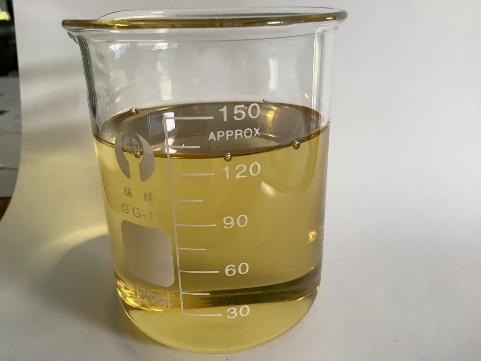
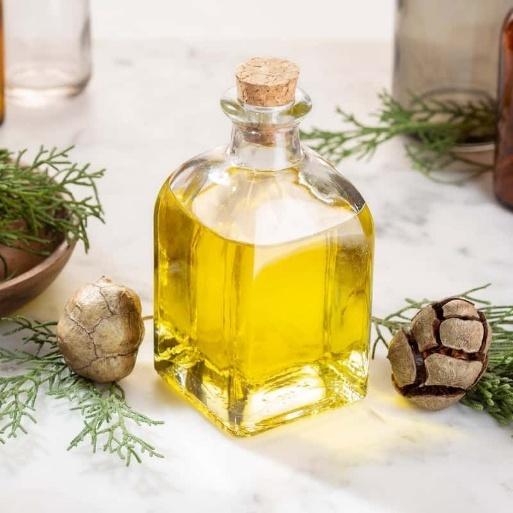
Palo Santo Distillation is sourced from Bursera graveolens. It is offered standardized for Limonene, CAS 959130-05-3. Traditional and industrial applications include stress & emotional well-being, pain & inflammation relief, respiratory support, skincare.
Applications & Benefits
6Stress & Emotional Well-Being
Highly valued in aromatherapy for its grounding properties, the oil calms the nervous system, which helps alleviate anxiety, panic attacks, and emotional fatigue.
Pain & Inflammation Relief
When diluted in a carrier oil (like jojoba or coconut oil), it can be massaged into joints and muscles to help reduce inflammation, arthritis pain, and headaches.
Respiratory Support
The oil acts as a natural expectorant. Diffusing it or using it in steam inhalation can help clear sinus congestion, coughs, and mild asthma symptoms.
Skincare
Rich in antioxidants, it cleanses and soothes irritated skin, reducing redness and minimizing the appearance of blemishes or wrinkles.
Energetic Cleansing
Traditionally used to purify spaces, promote mindfulness, and enhance deep meditation and spiritual focus.
Insect Repellent
High concentrations of limonene make it a natural, plant-based deterrent for mosquitoes and other outdoor pests.
Specifications
Technical Specification Sheet- Botanical Source
- Bursera graveolens
- Offering Grade
- Limonene
- CAS Number
- 959130-05-3
- Active Compound
- Limonene (C10H16)
Frequently Asked Questions
What is the botanical source of Palo Santo Distillation?
Palo Santo Distillation is sourced from Bursera graveolens.
What is the CAS number for Palo Santo Distillation?
Palo Santo Distillation carries CAS number 959130-05-3.
What grade is Palo Santo Distillation offered in?
Palo Santo Distillation is offered standardized for Limonene.
What is Palo Santo Distillation used for?
Palo Santo Distillation is commonly used for Stress & Emotional Well-Being.
What are wood and bark oils?
These are essential oils obtained by steam distillation of wood and bark raw material, used in fragrance, aromatherapy, and pharmaceutical applications.
How is each wood or bark oil specified?
Each product page states the botanical source and the primary active compound (for example, a named sesquiterpene), so the oil's composition can be confirmed against your application.
Which wood and bark oils have a verified active-compound percentage range?
3 of the 19 wood and bark oils in this category are standardized to a verified active-compound percentage range: Ho wood Distillation (95-99% Linalool), Indian Sandal Wood Distillation (50-70% Santalol), and Rose wood Distillation (80-90% Linalool). This category also includes Agarwood Distillation, sourced from Aquilaria malaccensis.
Related Products
More from Wood & Bark Oils
Interested in Palo Santo Distillation?
Let us know what you need and our team will follow up with the right details for Palo Santo Distillation.