
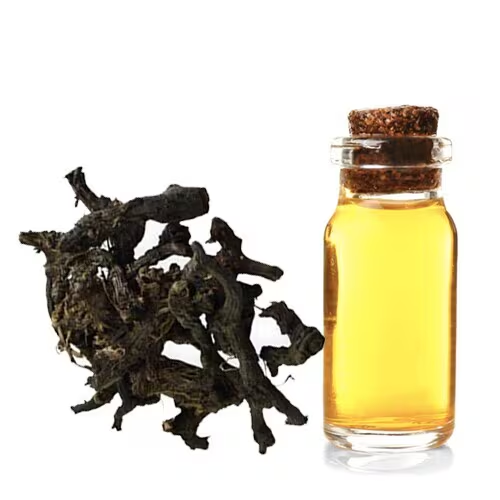
Nagar Motha Distillation
Nagar Motha Distillation
About Nagar Motha Distillation
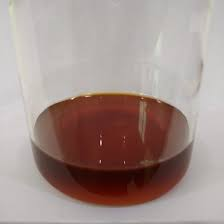
Nagar Motha Distillation is sourced from Cyperus rotundus. It is offered standardized for Cyperene, CAS 68916-60-9. Traditional and industrial applications include skincare & dermatology, hair & scalp health, aromatherapy & stress relief, perfumery & fragrance.
Applications & Benefits
5Skincare & Dermatology
Thanks to its high concentration of sesquiterpenes, Nagarmotha oil has potent anti-acne, antibacterial, and anti-inflammatory properties. It soothes redness, manages eczema flare-ups, and helps regulate sebum production.
Hair & Scalp Health
The oil addresses scalp dryness and fungal growth to help control dandruff. Its astringent nature strengthens hair follicles and stimulates growth.
Aromatherapy & Stress Relief
Inhaling the deep, woody scent directly or through a diffuser stimulates the limbic system to relieve stress, anxiety, and mental fatigue.
Perfumery & Fragrance
Because of its deep, woody character with leather nuances, the distilled oil acts as an incredible natural fixative. It anchors delicate top notes and extends the longevity of luxury perfumes and traditional attars.
Topical Pain & Digestive Support
Traditional Ayurvedic practices utilize the plant's extracts to relieve joint/muscle aches and promote healthy digestion.
Specifications
Technical Specification Sheet- Botanical Source
- Cyperus rotundus
- Offering Grade
- Cyperene
- CAS Number
- 68916-60-9
- Active Compound
- Cyperene (C15H24)
Frequently Asked Questions
What is the botanical source of Nagar Motha Distillation?
Nagar Motha Distillation is sourced from Cyperus rotundus.
What is the CAS number for Nagar Motha Distillation?
Nagar Motha Distillation carries CAS number 68916-60-9.
What grade is Nagar Motha Distillation offered in?
Nagar Motha Distillation is offered standardized for Cyperene.
What is Nagar Motha Distillation used for?
Nagar Motha Distillation is commonly used for Skincare & Dermatology.
What are root and husk oils?
These are essential oils obtained by steam distillation of root and husk raw material, used in aromatherapy, perfumery, and pharmaceutical applications.
How is each root or husk oil specified?
Each product page lists the botanical source and the primary active compound the oil is characterized by.
Do any root or husk oils share the same botanical source?
Jhatamansi Distillation and Spikenard Distillation are both sourced from Nardostachys jatamansi and share the same CAS number (8022-22-8) under different trade names. Each product's page confirms its own botanical source and active compound.
Related Products
More from Root & Husk Oils
Interested in Nagar Motha Distillation?
Let us know what you need and our team will follow up with the right details for Nagar Motha Distillation.