
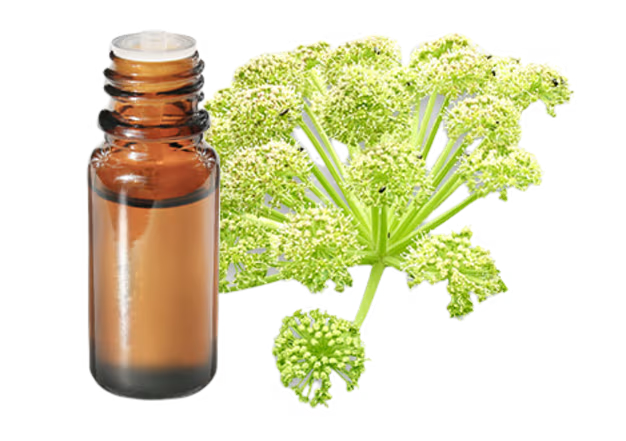
Angelica Distillation
Angelica Distillation
About Angelica Distillation
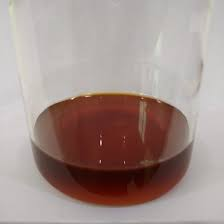
Angelica Distillation is sourced from Angelica archangelica. It is offered standardized for Ligustilide, CAS 8015-64-3. Traditional and industrial applications include digestive support, stress & nervous tension, pain & menstrual relief, respiratory care.
Applications & Benefits
5Digestive Support
Stimulates digestive enzymes, making it highly effective when massaged into the abdomen to reduce bloating, gas, and indigestion.
Stress & Nervous Tension
Known aromatically as the "oil of angels," diffusing it can calm nerves, alleviate anxiety, and promote a peaceful state of mind.
Pain & Menstrual Relief
Its antispasmodic properties help ease muscle aches, arthritis, and menstrual cramps when diluted in a carrier oil and applied topically.
Respiratory Care
Inhalation via diffusers or steam can help clear mucus from the chest and relieve coughing or breathing difficulties.
Skincare & Detoxification
When properly diluted, it soothes conditions like eczema and psoriasis. It also acts as a diuretic, aiding the body in flushing toxins.
Specifications
Technical Specification Sheet- Botanical Source
- Angelica archangelica
- Offering Grade
- Ligustilide
- CAS Number
- 8015-64-3
- Active Compound
- Ligustilide (C12H24O2)
Frequently Asked Questions
What is the botanical source of Angelica Distillation?
Angelica Distillation is sourced from Angelica archangelica.
What is the CAS number for Angelica Distillation?
Angelica Distillation carries CAS number 8015-64-3.
What grade is Angelica Distillation offered in?
Angelica Distillation is offered standardized for Ligustilide.
What is Angelica Distillation used for?
Angelica Distillation is commonly used for Digestive Support.
What are root and husk oils?
These are essential oils obtained by steam distillation of root and husk raw material, used in aromatherapy, perfumery, and pharmaceutical applications.
How is each root or husk oil specified?
Each product page lists the botanical source and the primary active compound the oil is characterized by.
Do any root or husk oils share the same botanical source?
Jhatamansi Distillation and Spikenard Distillation are both sourced from Nardostachys jatamansi and share the same CAS number (8022-22-8) under different trade names. Each product's page confirms its own botanical source and active compound.
Related Products
More from Root & Husk Oils
Interested in Angelica Distillation?
Let us know what you need and our team will follow up with the right details for Angelica Distillation.