
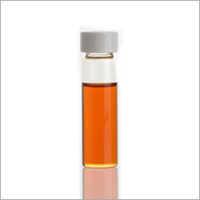
 40-65% Davanone
Leaf Oils
Davana Leaves Oil
Artemisia pallens
Davana Leaves Oil is sourced from Artemisia pallens.
- Botanical Source
- Artemisia pallens
- Standardization
- 40-65% Davanone
- CAS Number
- 8016-03-3
- Active Compound
- Davanone (C15H24O2)
Request Bulk Quote
Tell us your requirement and our team will get back to you with availability and pricing.
About Davana Leaves Oil
Davana Leaves Oil is sourced from Artemisia pallens. It is offered standardized for 40-65% Davanone, CAS 8016-03-3. Traditional and industrial applications include emotional wellness & anxiety relief, hormonal balance, wound healing, respiratory support.
Manufacturing plant for this extract
Our sister concern Mechotech (Mech O Tech LLP) engineers and builds turnkey plants for producing this type of extract:
Specifications
Technical Specification Sheet- Botanical Source
- Artemisia pallens
- Offering Grade
- 40-65% Davanone
- CAS Number
- 8016-03-3
- Active Compound
- Davanone (C15H24O2)
Applications & Benefits
901
Emotional Wellness & Anxiety Relief
Rich in davanone and linalool, the oil is a popular aromatherapy tool for easing stress, nervous tension, and mild depression.
02
Hormonal Balance
Traditionally used in Ayurveda, it is applied topically (always diluted in a carrier oil) to help soothe menstrual cramps, ease pelvic pain, and relieve menopausal symptoms.
03
Wound Healing
The oil possesses natural antiseptic and antibacterial qualities, making it useful for cleansing minor scrapes, cuts, and insect bites.
04
Respiratory Support
Its antiviral and antispasmodic properties help provide relief from bronchial congestion, coughs, and seasonal colds.
05
Skin Conditioning
When added in low dilutions (around 1%) to lotions or massage oils, it helps soothe rough, dry, and chapped skin.
06
Industrial Applications
-
07
Fine Perfumery
Davana oil is a staple in luxury chypre and fougère fragrances. It possesses the unique ability to react with individual skin chemistry, making the scent subtly different on every wearer.
08
Flavoring
It is utilized as a flavoring agent in premium food, tobacco, pastries, and alcoholic/non-alcoholic beverages.
09
Insect Repellent
It contains mild vermifuge and insect-deterrent properties.
Related Products
More from Leaf Oils
Frequently Asked Questions
What is the botanical source of Davana Leaves Oil?
Davana Leaves Oil is sourced from Artemisia pallens.
What is the CAS number for Davana Leaves Oil?
Davana Leaves Oil carries CAS number 8016-03-3.
What grade is Davana Leaves Oil offered in?
Davana Leaves Oil is offered standardized for 40-65% Davanone.
What is Davana Leaves Oil used for?
Davana Leaves Oil is commonly used for Emotional Wellness & Anxiety Relief.
What are leaf oils?
Leaf oils are essential oils obtained by steam distillation of leaves, supplied for pharmaceutical, cosmetic, food, and fragrance applications.
How is each leaf oil standardized?
Each product page states the botanical source and the active compound it is standardized for (for example, a percentage range of linalool or cineole), so the specification can be confirmed against your requirement.
Which leaf oils have a verified active-compound percentage range?
22 of the 62 leaf oils in this category are standardized to a verified active-compound percentage range, including Clove Leaves Oil (70-90% Eugenol), Eucalyptus Globolus Leaves Oil (60-90% Eucalyptol), Lemon Grass Leaves Oil (40-75% Citral), Spearmint Leaves Oil (50-80% Carvone), Rosemary Leaves Oil (15-53% 1,8-Cineole), Thyme Leaves Oil (20-55% Thymol), and Basil Leaves Oil (60% to 75% linalool). Each product's page states its exact range.
What quality systems apply to these leaf oils?
Sureka Life Sciences is ISO 9001:2015 certified for Quality Management and ISO 22000:2018 certified for Food Safety Management, and operates two dedicated R&D laboratories for standardization and analytical testing.
Product Enquiry
Interested in Davana Leaves Oil?
Let us know what you need and our team will follow up with the right details for Davana Leaves Oil.