
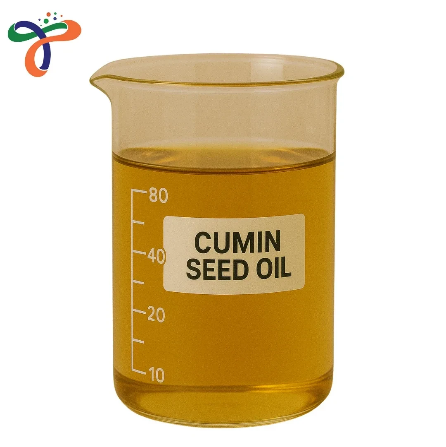
Cumin Distillation
Cumin Distillation
About Cumin Distillation
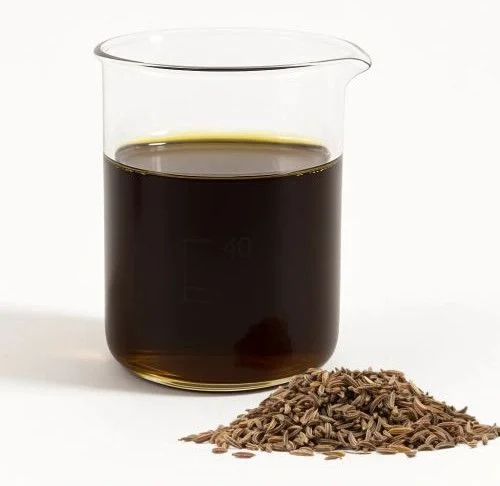
Cumin Distillation is sourced from Cuminum cyminum. It is offered standardized for 45-50% Cuminaldehyde, CAS 8014-13-9. Traditional and industrial applications include digestive health, rich source of iron, blood sugar regulation, weight loss and lipid control.
Applications & Benefits
7Digestive Health
Cumin stimulates pancreatic enzymes, accelerating digestion, reducing bloating, and easing symptoms of irritable bowel syndrome (IBS).
Rich Source of Iron
One teaspoon of ground cumin provides approximately 17.5% of the recommended daily iron intake for adults, making it excellent for treating anemia.
Blood Sugar Regulation
It enhances insulin sensitivity and helps lower fasting blood sugar and HbA1c levels, which is beneficial for managing diabetes.
Weight Loss and Lipid Control
Studies indicate cumin can help reduce belly fat, lower blood triglycerides, and reduce total cholesterol/LDL levels.
Antimicrobial and Anti-inflammatory
Its compounds (including thymol) help kill bacteria, treat diarrhea, and reduce inflammation, offering relief from conditions like arthritis.
Respiratory Support
It acts as a natural expectorant, aiding in the relief of congestion and coughs.
Traditional Applications
Ayurveda and other traditional medicines utilize cumin to enhance nutrient absorption, treat skin issues (such as itching), improve lactation in nursing mothers, and relieve pain.
Specifications
Technical Specification Sheet- Botanical Source
- Cuminum cyminum
- Offering Grade
- 45-50% Cuminaldehyde
- CAS Number
- 8014-13-9
- Active Compound
- Cuminaldehyde (C10H12O)
Frequently Asked Questions
What is the botanical source of Cumin Distillation?
Cumin Distillation is sourced from Cuminum cyminum.
What is the CAS number for Cumin Distillation?
Cumin Distillation carries CAS number 8014-13-9.
What grade is Cumin Distillation offered in?
Cumin Distillation is offered standardized for 45-50% Cuminaldehyde.
What is Cumin Distillation used for?
Cumin Distillation is commonly used for Digestive Health.
What are spice oils?
Spice oils are essential oils obtained by steam distillation of spice raw material, supplied for food, flavor, fragrance, and pharmaceutical applications.
How is each spice oil standardized?
Each product page states the botanical source and the active marker compound it is standardized for (for example, a percentage of thymol or cineole), so the oil's specification can be confirmed before enquiring.
Which spice oils have a verified active-compound percentage range?
9 of the 16 spice oils in this category are standardized to a verified active-compound percentage range, including Ajwain Distillation (40-50% Thymol), Cassia Distillation (50-90% Cinnamaldehyde), Clove Buds Distillation (72-90% Eugenol), Coriander Distillation (50-70% Linalool), Cumin Distillation (45-50% Cuminaldehyde), Ginger Distillation (12–13% Gingerol), and Turmeric Distillation (up to 50% Ar-turmerone). Each product's page states its exact range.
Related Products
More from Spice Oils
Interested in Cumin Distillation?
Let us know what you need and our team will follow up with the right details for Cumin Distillation.