
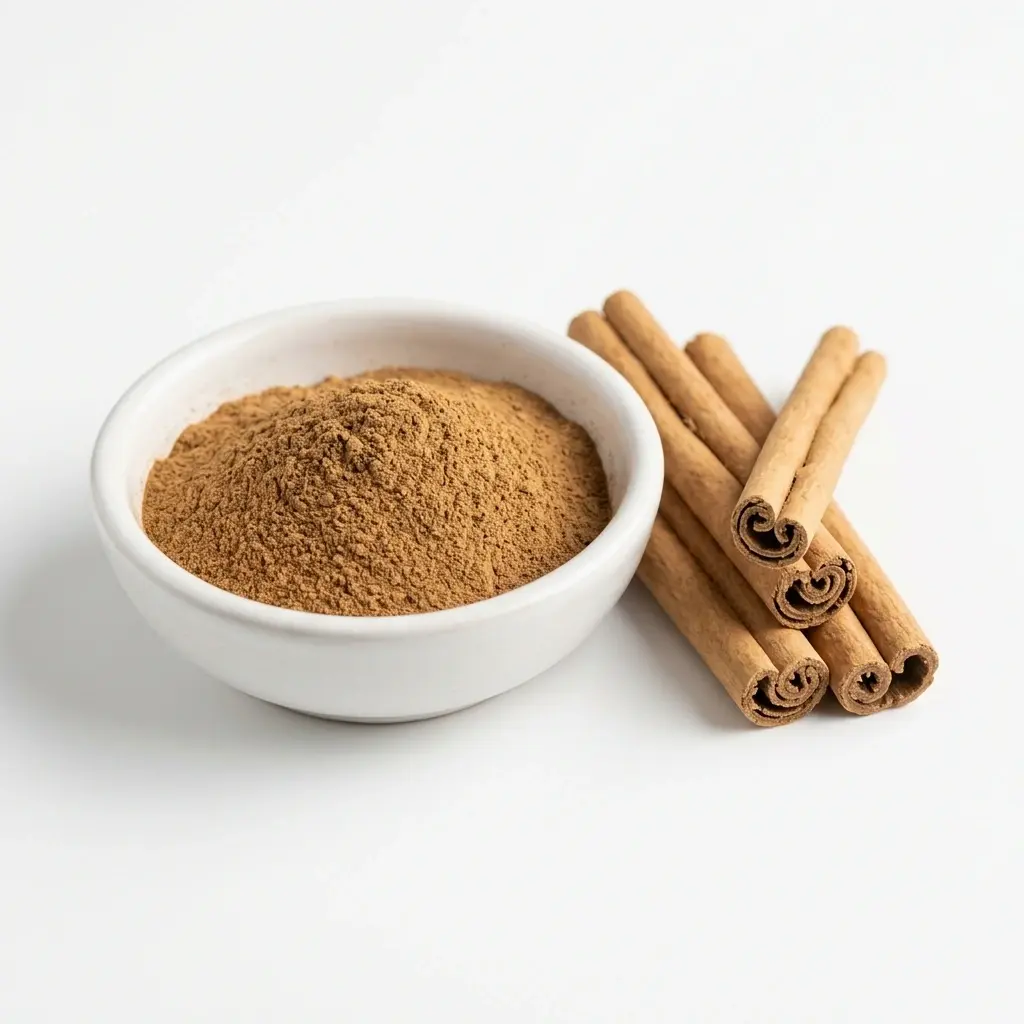
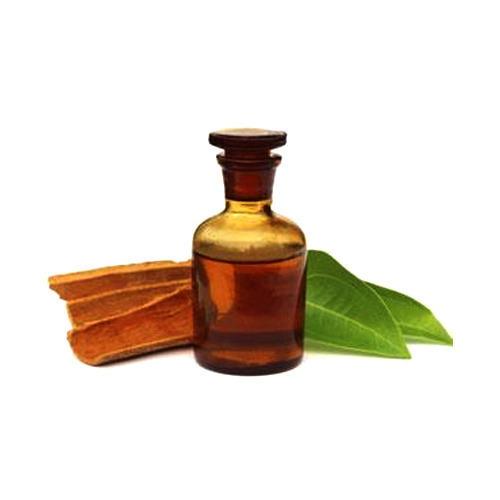
 Cinnamaldehyde
Leaf Oils
Cinnamon Leaves Oil
Cinnamomum verum
Cinnamon Leaves Oil is sourced from Cinnamomum verum.
- Botanical Source
- Cinnamomum verum
- Standardization
- Cinnamaldehyde
- CAS Number
- 8015-91-6
- Active Compound
- Cinnamaldehyde (C9H8O)
Request Bulk Quote
Tell us your requirement and our team will get back to you with availability and pricing.
About Cinnamon Leaves Oil
Cinnamon Leaves Oil is sourced from Cinnamomum verum. It is offered standardized for Cinnamaldehyde, CAS 8015-91-6. Traditional and industrial applications include antimicrobial & antifungal care, oral hygiene, pain relief, metabolic support.
Manufacturing plant for this extract
Our sister concern Mechotech (Mech O Tech LLP) engineers and builds turnkey plants for producing this type of extract:
Specifications
Technical Specification Sheet- Botanical Source
- Cinnamomum verum
- Offering Grade
- Cinnamaldehyde
- CAS Number
- 8015-91-6
- Active Compound
- Cinnamaldehyde (C9H8O)
Applications & Benefits
601
Antimicrobial & Antifungal Care
The oil disrupts cell membranes of various pathogens and inhibits the formation of resilient biofilms. It is often used in topical treatments for fungal infections (such as Candida) and acne.
02
Oral Hygiene
Because of its strong antibacterial action, the oil is frequently incorporated into mouthwashes and toothpastes to fight plaque, dental caries, and gingivitis.
03
Pain Relief
When properly diluted with a carrier oil, its rubefacient (warming) properties are utilized in massage therapy to help relieve sore muscles, headaches, and menstrual cramps.
04
Metabolic Support
Research indicates that the volatile compounds assist with regulating blood glucose, lowering LDL cholesterol, and reducing inflammation associated with metabolic syndrome.
05
Aromatherapy & Stress
Inhaling the oil is known to help alleviate mental fatigue, calm anxiety, and stimulate appetite.
06
Food Preservation & Natural Bio pesticide
It is safely added to foods to prevent oxidation and spoilage. It is also employed as a biopesticide and grain fumigant to protect stored crops from common pests.
Related Products
More from Leaf Oils
Frequently Asked Questions
What is the botanical source of Cinnamon Leaves Oil?
Cinnamon Leaves Oil is sourced from Cinnamomum verum.
What is the CAS number for Cinnamon Leaves Oil?
Cinnamon Leaves Oil carries CAS number 8015-91-6.
What grade is Cinnamon Leaves Oil offered in?
Cinnamon Leaves Oil is offered standardized for Cinnamaldehyde.
What is Cinnamon Leaves Oil used for?
Cinnamon Leaves Oil is commonly used for Antimicrobial & Antifungal Care.
What are leaf oils?
Leaf oils are essential oils obtained by steam distillation of leaves, supplied for pharmaceutical, cosmetic, food, and fragrance applications.
How is each leaf oil standardized?
Each product page states the botanical source and the active compound it is standardized for (for example, a percentage range of linalool or cineole), so the specification can be confirmed against your requirement.
Which leaf oils have a verified active-compound percentage range?
22 of the 62 leaf oils in this category are standardized to a verified active-compound percentage range, including Clove Leaves Oil (70-90% Eugenol), Eucalyptus Globolus Leaves Oil (60-90% Eucalyptol), Lemon Grass Leaves Oil (40-75% Citral), Spearmint Leaves Oil (50-80% Carvone), Rosemary Leaves Oil (15-53% 1,8-Cineole), Thyme Leaves Oil (20-55% Thymol), and Basil Leaves Oil (60% to 75% linalool). Each product's page states its exact range.
What quality systems apply to these leaf oils?
Sureka Life Sciences is ISO 9001:2015 certified for Quality Management and ISO 22000:2018 certified for Food Safety Management, and operates two dedicated R&D laboratories for standardization and analytical testing.
Product Enquiry
Interested in Cinnamon Leaves Oil?
Let us know what you need and our team will follow up with the right details for Cinnamon Leaves Oil.