
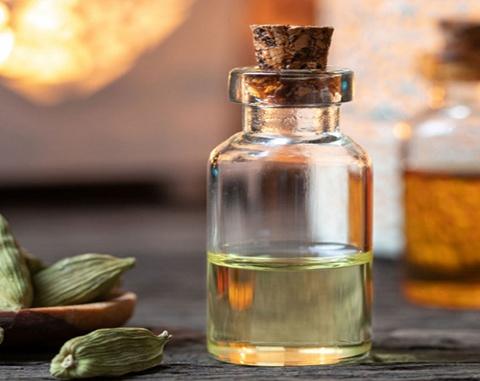
Cardamom Distillation
Cardamom Distillation
About Cardamom Distillation
Cardamom Distillation is sourced from Elettaria cardamomum. It is offered standardized for 1,8-Cineole, CAS 8000-66-6. Traditional and industrial applications include digestive health & metabolism, cardiorenal protection, anti-inflammatory & antioxidant, respiratory support.
Applications & Benefits
11Digestive Health & Metabolism
Promotes digestive fire, eases flatulence, and treats cramps due to antispasmodic properties. It may improve metabolic syndrome by lowering triglycerides and increasing insulin sensitivity.
Cardiorenal Protection
Studies indicate that cardamom extract reduces cardiovascular risk factors, lowers bad cholesterol (LDL), and protects against liver disease.
Anti-inflammatory & Antioxidant
High phenolic content reduces inflammation and lowers inflammatory cytokines (IL-6 and TNF-α).
Respiratory Support
Its warming effect helps relieve coughs, colds, and bronchitis.
Oral Health
Inhibits oral pathogens (such as Streptococcus mutans) and effectively treats gum infections.
Weight Management
Thermogenic properties may help in controlling weight.
Applications
Nutraceuticals/Supplements
Cosmetics & Skincare
Oral Hygiene Products
Functional Foods
Specifications
Technical Specification Sheet- Botanical Source
- Elettaria cardamomum
- Offering Grade
- 1,8-Cineole
- CAS Number
- 8000-66-6
- Active Compound
- 1,8-Cineole (C10H18O)
Frequently Asked Questions
What is the botanical source of Cardamom Distillation?
Cardamom Distillation is sourced from Elettaria cardamomum.
What is the CAS number for Cardamom Distillation?
Cardamom Distillation carries CAS number 8000-66-6.
What grade is Cardamom Distillation offered in?
Cardamom Distillation is offered standardized for 1,8-Cineole.
What is Cardamom Distillation used for?
Cardamom Distillation is commonly used for Digestive Health & Metabolism.
What are spice oils?
Spice oils are essential oils obtained by steam distillation of spice raw material, supplied for food, flavor, fragrance, and pharmaceutical applications.
How is each spice oil standardized?
Each product page states the botanical source and the active marker compound it is standardized for (for example, a percentage of thymol or cineole), so the oil's specification can be confirmed before enquiring.
Which spice oils have a verified active-compound percentage range?
9 of the 16 spice oils in this category are standardized to a verified active-compound percentage range, including Ajwain Distillation (40-50% Thymol), Cassia Distillation (50-90% Cinnamaldehyde), Clove Buds Distillation (72-90% Eugenol), Coriander Distillation (50-70% Linalool), Cumin Distillation (45-50% Cuminaldehyde), Ginger Distillation (12–13% Gingerol), and Turmeric Distillation (up to 50% Ar-turmerone). Each product's page states its exact range.
Related Products
More from Spice Oils
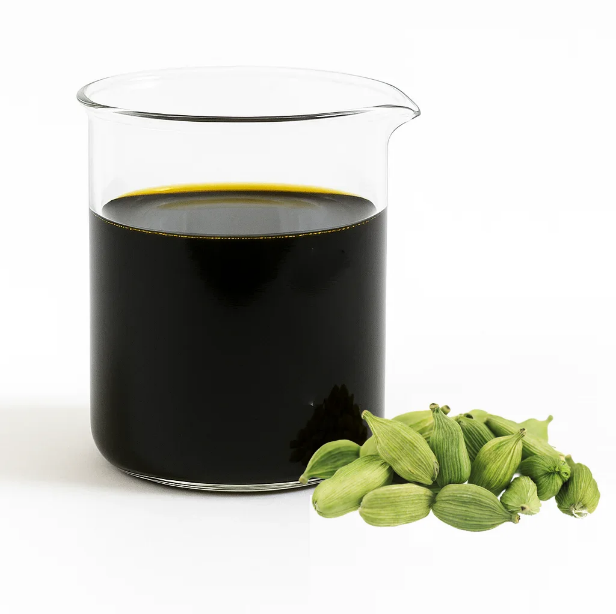
Interested in Cardamom Distillation?
Let us know what you need and our team will follow up with the right details for Cardamom Distillation.