
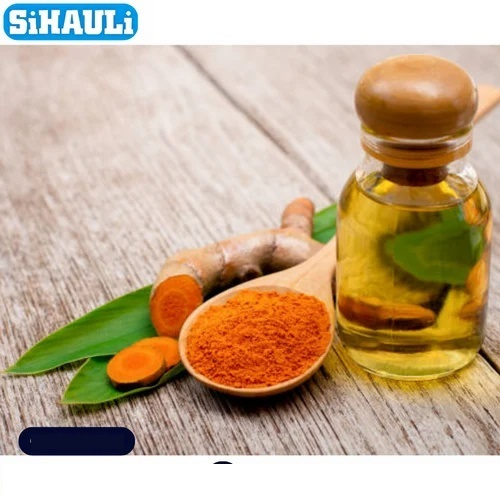
Turmeric Distillation
Turmeric Distillation
About Turmeric Distillation
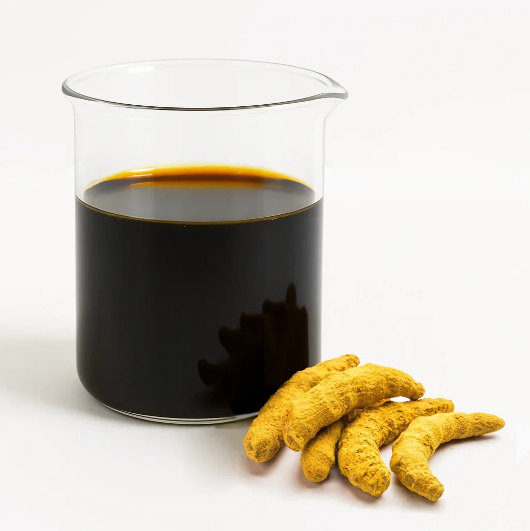
Turmeric Distillation is sourced from Curcuma longa. It is offered standardized for Upto 50% Ar-turmerone, CAS 8024-37-1. Traditional and industrial applications include arthritis (osteoarthritis & rheumatoid arthritis), cancer prevention and treatment, neurodegenerative diseases (alzheimer's disease), cardiovascular health.
Applications & Benefits
8Arthritis (Osteoarthritis & Rheumatoid Arthritis)
Curcumin acts as a potent anti-inflammatory, reducing joint swelling, morning stiffness, and pain, often acting similarly to nonsteroidal anti-inflammatory drugs (NSAIDs).
Cancer Prevention and Treatment
It is used as a supportive adjuvant therapy to inhibit cancer cell proliferation and metastasis, and to sensitize tumors to chemotherapy. Research shows potential against colon, pancreatic, prostate, breast, and lung cancers.
Neurodegenerative Diseases (Alzheimer's Disease)
Curcumin can cross the blood-brain barrier and potentially reduce amyloid plaque buildup and tau protein hyperphosphorylation, which are hallmarks of Alzheimer's.
Cardiovascular Health
It helps improve endothelial function, lower LDL cholesterol, and raise HDL cholesterol, reducing the risk of heart disease and atherosclerosis.
Metabolic Syndrome and Diabetes
It aids in regulating insulin levels, improving pancreatic beta-cell function, reducing insulin resistance, and alleviating diabetic neuropathy.
Gastrointestinal Conditions
Used to manage inflammatory bowel disease (IBD), Crohn's disease, and ulcerative colitis by suppressing pro-inflammatory pathways.
Skin Conditions and Wound Healing
Topically applied, it has antioxidant and anti-psoriatic activity, helps in healing wounds through enhanced collagen deposition, and can aid in treating vitiligo.
Chronic Inflammatory and Viral Diseases
Its anti-inflammatory role extends to treating acne, psoriasis, and mitigating lung inflammation caused by viruses
Specifications
Technical Specification Sheet- Botanical Source
- Curcuma longa
- Offering Grade
- Upto 50% Ar-turmerone
- CAS Number
- 8024-37-1
- Active Compound
- Curcumin (C15H20O)
Frequently Asked Questions
What is the botanical source of Turmeric Distillation?
Turmeric Distillation is sourced from Curcuma longa.
What is the CAS number for Turmeric Distillation?
Turmeric Distillation carries CAS number 8024-37-1.
What grade is Turmeric Distillation offered in?
Turmeric Distillation is offered standardized for Upto 50% Ar-turmerone.
What is Turmeric Distillation used for?
Turmeric Distillation is commonly used for Arthritis (Osteoarthritis & Rheumatoid Arthritis).
What are spice oils?
Spice oils are essential oils obtained by steam distillation of spice raw material, supplied for food, flavor, fragrance, and pharmaceutical applications.
How is each spice oil standardized?
Each product page states the botanical source and the active marker compound it is standardized for (for example, a percentage of thymol or cineole), so the oil's specification can be confirmed before enquiring.
Which spice oils have a verified active-compound percentage range?
9 of the 16 spice oils in this category are standardized to a verified active-compound percentage range, including Ajwain Distillation (40-50% Thymol), Cassia Distillation (50-90% Cinnamaldehyde), Clove Buds Distillation (72-90% Eugenol), Coriander Distillation (50-70% Linalool), Cumin Distillation (45-50% Cuminaldehyde), Ginger Distillation (12–13% Gingerol), and Turmeric Distillation (up to 50% Ar-turmerone). Each product's page states its exact range.
Related Products
More from Spice Oils
Interested in Turmeric Distillation?
Let us know what you need and our team will follow up with the right details for Turmeric Distillation.