
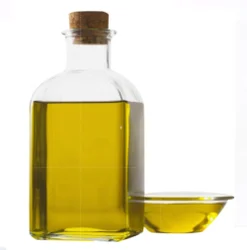
Oak Moss Extract
Oak Moss Extract
About Oak Moss Extract
Oak Moss Extract is sourced from Evernia prunastri (L.) Ach.. It is offered standardized for 3% Evernic Acid, CAS 90028-68-5. Traditional and industrial applications include antimicrobial and antifungal, antioxidant & anti-inflammatory, diabetes management, neuroprotective potential.
Applications & Benefits
10Antimicrobial and Antifungal
Rich in phenolic acids and lichen compounds like usnic acid, the extract shows strong activity against pathogens such as Staphylococcus aureus and Candida albicans.
Antioxidant & Anti-inflammatory
Studies indicate potential for reducing oxidative stress and managing inflammation, making it valuable in health supplements.
Diabetes Management
Research suggests aqueous extract of oakmoss can reduce blood glucose, triglycerides, and VLDL levels, acting as a potential anti-hyperglycemic agent.
Neuroprotective Potential
The extract shows potential in targeting Alzheimer's and Parkinson's diseases.
Traditional Medicine
Historically used to treat digestive issues.
Applications
Perfumery (Primary Application)
Cosmetics & Skincare
Food Industry
Active Packaging
Specifications
Technical Specification Sheet- Botanical Source
- Evernia prunastri (L.) Ach
- Offering Grade
- 3% Evernic Acid
- CAS Number
- 90028-68-5
- Active Compound
- Evernic Acid (C17H16O7)
Frequently Asked Questions
What is the botanical source of Oak Moss Extract?
Oak Moss Extract is sourced from Evernia prunastri (L.) Ach.
What is the CAS number for Oak Moss Extract?
Oak Moss Extract carries CAS number 90028-68-5.
What grade is Oak Moss Extract offered in?
Oak Moss Extract is offered standardized for 3% Evernic Acid.
What is Oak Moss Extract used for?
Oak Moss Extract is commonly used for Antimicrobial and Antifungal.
What are wood absolutes?
Wood absolutes are concentrated aromatic extracts obtained from wood-based raw material, such as agarwood and sandalwood, used in fragrance, perfumery, and wellness applications.
How are wood absolutes specified?
Each product page lists the botanical source and the key aromatic compounds it is standardized for, so the composition can be confirmed against your formulation needs.
Does this category include more than one sandalwood species?
Yes — Australian Sandal Wood Extract is sourced from Santalum spicatum (0–40% alfa-santalol), while Indian sandal Wood Extract is sourced from the distinct species Santalum album (Alfa-santalol approx. 46–50%). Each carries its own CAS number.
Related Products
More from Wood Absolutes
Interested in Oak Moss Extract?
Let us know what you need and our team will follow up with the right details for Oak Moss Extract.