
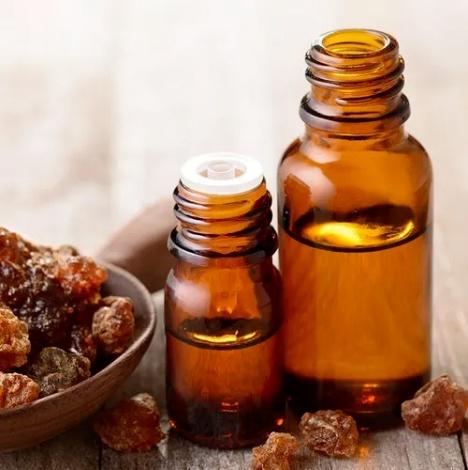
Myrrh Resin Distillation
Myrrh Resin Distillation
About Myrrh Resin Distillation
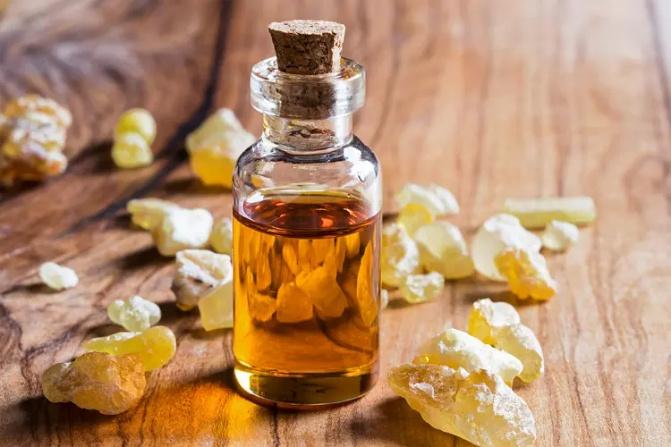
Myrrh Resin Distillation is sourced from Commiphora myrrha. It is offered standardized for Sesquiterpenes, CAS 8016-37-3. Traditional and industrial applications include oral health & hygiene, wound healing, anti-inflammatory & pain relief, skin health & anti-aging.
Applications & Benefits
4Topical
Diffuser
Gargle
Rinse
Specifications
Technical Specification Sheet- Botanical Source
- Commiphora myrrha
- Offering Grade
- Sesquiterpenes
- CAS Number
- 8016-37-3
- Active Compound
- Sesquiterpenes (C15H24O2)
Frequently Asked Questions
What is the botanical source of Myrrh Resin Distillation?
Myrrh Resin Distillation is sourced from Commiphora myrrha.
What is the CAS number for Myrrh Resin Distillation?
Myrrh Resin Distillation carries CAS number 8016-37-3.
What grade is Myrrh Resin Distillation offered in?
Myrrh Resin Distillation is offered standardized for Sesquiterpenes.
What is Myrrh Resin Distillation used for?
Myrrh Resin Distillation is commonly used for Topical.
What are gum and resin oils?
These are essential oils obtained by steam distillation of gums and resins, used in pharmaceutical, incense, and fragrance applications.
How is each gum or resin oil specified?
Each product page states the botanical source and the primary active compound the oil is characterized by, such as benzoic acid or a named sesquiterpene.
Which gum and resin oils have a verified active-compound percentage range?
4 of the 10 gum and resin oils in this category are standardized to a verified active-compound percentage range: Elemi Resin Distillation (7-14% Elemol), Frankincense Resin Distillation (30-40% Alpha-pinene), Galbanum Resin Distillation (up to 60% Beta- pinene), and Peru Balsam Resin Distillation (50-65% Cinnamein).
Related Products
More from Gum & Resin Oils
Interested in Myrrh Resin Distillation?
Let us know what you need and our team will follow up with the right details for Myrrh Resin Distillation.