
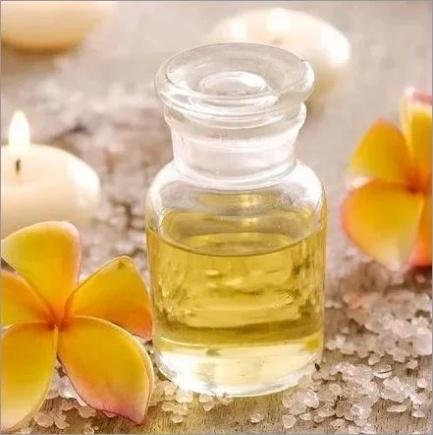
Champa Extract
Champa Extract
About Champa Extract
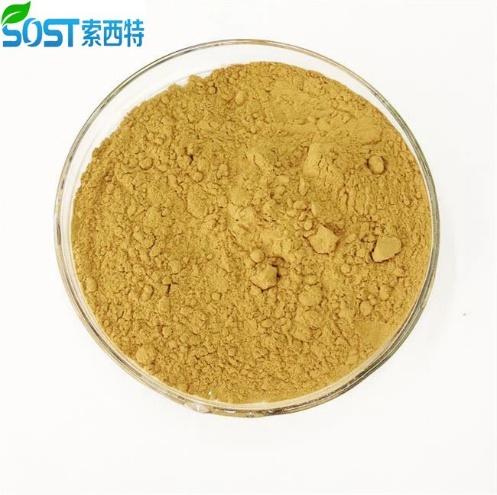
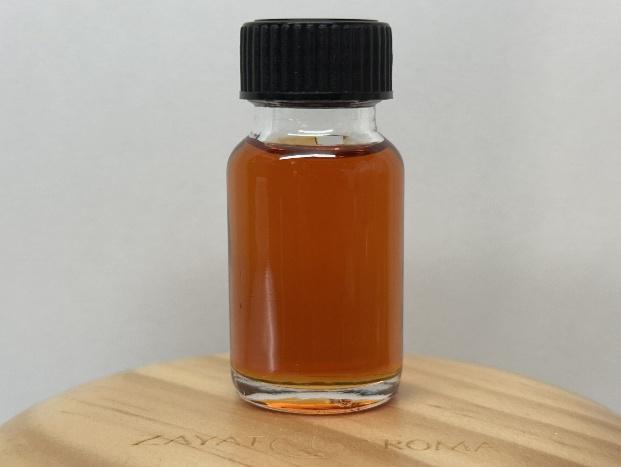
Champa Extract is sourced from Magnolia champaka. It is offered standardized for Magnolol, CAS 94333-99-0. Traditional and industrial applications include stress & anxiety relief, skin health & wound healing, pain & inflammation management, respiratory care.
Applications & Benefits
14Stress & Anxiety Relief
Champa oil is a popular component in aromatherapy, used to alleviate anxiety, reduce stress, and improve mood, often promoting relaxation and better sleep.
Skin Health & Wound Healing
The extract is applied topically to treat eczema, itching, acne, and to accelerate the healing of wounds, burns, and skin infections.
Pain & Inflammation Management
It is traditionally used to reduce joint pain, muscle soreness, and inflammation associated with arthritis or gout.
Respiratory Care
Champa has expectorant properties, helping to relieve coughs, colds, and congestion.
Digestive Health
Decoctions of the bark are used to treat digestive issues such as indigestion, bloating, and stomach pain.
Cardiovascular Support
Studies suggest it may help lower blood pressure and improve circulation.
Women's Health
Used as a uterine tonic and to treat irregular or absent menstruation (amenorrhea).
Applications
Aromatherapy
Skincare
Massage Oil
Medicinal Preparations
Perfumery
Hair Care
Specifications
Technical Specification Sheet- Botanical Source
- Magnolia champaka
- Offering Grade
- Magnolol
- CAS Number
- 94333-99-0
- Active Compound
- Magnolol (C18H18O2)
Frequently Asked Questions
What is the botanical source of Champa Extract?
Champa Extract is sourced from Magnolia champaka.
What is the CAS number for Champa Extract?
Champa Extract carries CAS number 94333-99-0.
What grade is Champa Extract offered in?
Champa Extract is offered standardized for Magnolol.
What is Champa Extract used for?
Champa Extract is commonly used for Stress & Anxiety Relief.
What are floral concretes and absolutes?
Concretes and absolutes are concentrated floral extracts obtained through solvent extraction, used primarily in perfumery and fragrance formulation.
How is each concrete or absolute specified?
Each product page lists the botanical source and the key active compound identified in the extract.
Which floral concretes and absolutes have a verified active-compound percentage range?
3 of the 19 floral concretes and absolutes in this category are standardized to a verified active-compound percentage range: Jasmine Extract (70-75% Flavonoids), Kewada Extract (up to 75.4% 2-Phenylethyl-methylether), and Tuberose Extract (9-30% Methyl Benzoate). Each product's page states its exact range.
Related Products
More from Floral Concretes & Absolutes
Interested in Champa Extract?
Let us know what you need and our team will follow up with the right details for Champa Extract.