
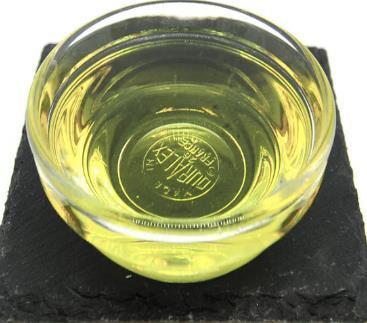
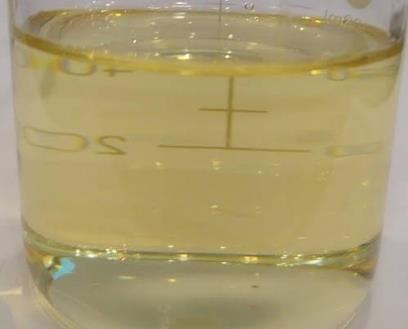
 β-caryophyllene
Flower & Bud Oils
Canaga Oil
Mimosa pudica
Canaga Oil is sourced from Mimosa pudica.
- Botanical Source
- Mimosa pudica
- Standardization
- β-caryophyllene
- CAS Number
- 68606-83-7
- Active Compound
- β-caryophyllene (C15H24)
Request Bulk Quote
Tell us your requirement and our team will get back to you with availability and pricing.
About Canaga Oil
Canaga Oil is sourced from Mimosa pudica. It is offered standardized for β-caryophyllene, CAS 68606-83-7. Traditional and industrial applications include stress and anxiety relief, pain management, sleep aid, skin healing.
Specifications
Technical Specification Sheet- Botanical Source
- Mimosa pudica
- Offering Grade
- β-caryophyllene
- CAS Number
- 68606-83-7
- Active Compound
- β-caryophyllene (C15H24)
Applications & Benefits
401
Aromatherapy
02
Topical Massage
03
Perfumery
04
Cosmetics
Related Products
More from Flower & Bud Oils
Frequently Asked Questions
What is the botanical source of Canaga Oil?
Canaga Oil is sourced from Mimosa pudica.
What is the CAS number for Canaga Oil?
Canaga Oil carries CAS number 68606-83-7.
What grade is Canaga Oil offered in?
Canaga Oil is offered standardized for β-caryophyllene.
What is Canaga Oil used for?
Canaga Oil is commonly used for Aromatherapy.
What are flower and bud oils?
These are essential oils obtained by steam distillation of flowers and buds, used in perfumery, cosmetics, and aromatherapy applications.
How is each flower or bud oil specified?
Each product page states the botanical source and, where documented, the key aromatic compound the oil is characterized by, such as a named terpene or alcohol.
Which flower and bud oils have a verified active-compound percentage range?
2 of the 22 flower and bud oils in this category are standardized to a verified active-compound percentage range: Catnip Oil (70-90% Nepetalactone) and Lavender Oil (20%-45% Linalool). Each product's page states its exact range.
Product Enquiry
Interested in Canaga Oil?
Let us know what you need and our team will follow up with the right details for Canaga Oil.