
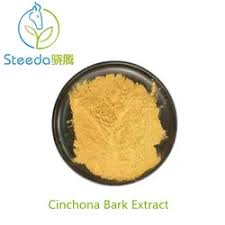
Cinchona bark Extract
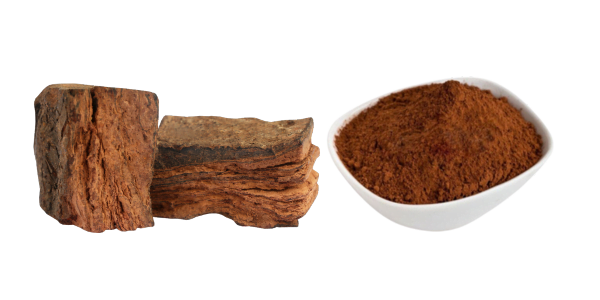
Cinchona bark Extract
About Cinchona bark Extract
Cinchona bark Extract is sourced from Cinchona ledgeriana (Moens ex Trimen). It is offered standardized for 95-99% Quinine sulphate, 95-99% Cinchonine, CAS 977052-82-6. Traditional and industrial applications include antimalarial treatment, antipyretic (fever reduction), cardiovascular health, digestive aid.
Applications & Benefits
13Antimalarial Treatment
Historically, cinchona bark was the sole cure for malaria. Today, it remains important in treating drug-resistant strains of Plasmodium falciparum.
Antipyretic (Fever Reduction)
It is traditionally used to reduce high fevers and treat symptoms of common colds, influenza, and swine flu.
Cardiovascular Health
Quinidine, an alkaloid from the bark, is used in modern medicine to treat heart palpitations, atrial fibrillation, and other arrhythmia-related conditions.
Digestive Aid
Cinchona extract is used to stimulate appetite, promote the release of digestive juices, and treat stomach issues like bloating and fullness.
Anti-inflammatory and Analgesic
The extract is used to manage inflammatory conditions like arthritis and lupus, as well as to provide pain relief.
Muscle Cramps
It is utilized to treat nocturnal leg cramps.
Anti-obesity
Studies have suggested that cinchonine can reduce fat mass, BMI, and waist circumference by acting as a bitter taste agonist.
Topical Application
Cinchona bark extract is applied to the skin to treat hemorrhoids, varicose veins, and as a hair growth stimulant.
Antimicrobial and Antiviral
Research indicates potential against bacteria, fungi, and viruses, including preliminary studies on the dengue virus.
Industrial and Other Applications
-
Beverage Industry
Chemical Synthesis
Cosmetics
Specifications
Technical Specification Sheet- Botanical Source
- Cinchona ledgeriana (Moens ex Trimen)
- Offering Grade
- 95-99% Quinine sulphate, 95-99% Cinchonine
- CAS Number
- 977052-82-6
- Active Compound
- Quinine (C20H24N2O2); Cinchonin (C19H22N2O)
Frequently Asked Questions
What is the botanical source of Cinchona bark Extract?
Cinchona bark Extract is sourced from Cinchona ledgeriana (Moens ex Trimen).
What is the CAS number for Cinchona bark Extract?
Cinchona bark Extract carries CAS number 977052-82-6.
What grade is Cinchona bark Extract offered in?
Cinchona bark Extract is offered standardized for 95-99% Quinine sulphate, 95-99% Cinchonine.
What is Cinchona bark Extract used for?
Cinchona bark Extract is commonly used for Antimalarial Treatment.
What are herbal extracts, and how does Sureka Life Sciences supply them?
Herbal extracts are the standardized active compounds isolated from botanical raw material — used across pharmaceutical, nutraceutical, and cosmetic formulations. Sureka Life Sciences manufactures and supplies these extracts, standardized to a specified grade or percentage (for example, by HPLC) with a defined botanical source and, where applicable, a CAS number.
How is each herbal extract standardized?
Each extract's product page states its offering grade (such as a percentage range verified by HPLC), botanical source, and active compound, so buyers can confirm it matches their formulation requirement before enquiring.
What quality systems apply to these extracts?
Sureka Life Sciences is ISO 9001:2015 certified for Quality Management and ISO 22000:2018 certified for Food Safety Management, and operates two dedicated R&D laboratories for standardization and analytical testing.
Which herbal extracts are HPLC-verified?
27 of the 107 herbal extracts in this category are standardized by HPLC assay, including Curcumin Extract, Nano Curcumin Extract, Boswellia Serrata Extract, Black Pepper Extract, Green Tea Extract, Brahmi Plant Extract, and Berberine Extract. Each product's page states its exact offering grade and standardization method.
Related Products
More from Herbal Extracts
Interested in Cinchona bark Extract?
Let us know what you need and our team will follow up with the right details for Cinchona bark Extract.